Use a single user account to edit your
Data subscriptions, Watchlists, Portfolios, Notifications and Alerts
on iPhone, iPad, Android
and TeleTrader.com, TeleTrader WebStation or TeleTrader Professional
New Jersey, specifically the area around Newark International Airport, was a hub for "chop shops." Organized crews would steal high-end vehicles (Lexus, Infiniti, BMW) and dismantle them for parts within hours.
Released in 1995 at the tail end of the Golden Era of hip-hop cinema, Nick Gomez’s New Jersey Drive stands as a raw, unflinching portrait of youth incarceration and urban despair. Often overshadowed by its contemporaries— Menace II Society (1993) and Juice (1992)— New Jersey Drive distinguishes itself through its central metaphor: the stolen automobile. The film does not merely depict car theft as a crime; it presents it as a complex socio-economic ritual. For the Black youth of Newark’s dilapidated Central Ward, the car is simultaneously a toy, a weapon, a prison, and a ticket to fleeting freedom. This paper argues that New Jersey Drive uses the automobile as a diptych of Black urban existence in the 1990s: externally, the car is a target for a militarized, carceral state; internally, it is the last remaining sanctuary for autonomy and joy in a post-industrial wasteland. New Jersey Drive
The film refuses to glorify the crime. Instead, it portrays the cyclical nature of poverty. The protagonist is trapped between the desire to go straight (working at a burger joint) and the cultural pressure of the "life." The antagonist is not a rival gang, but a rogue detective named Roscoe (Saul Stein), a corrupt cop who runs a stolen car ring himself while hunting the kids for sport. The film does not merely depict car theft
Furthermore, the film is a crucial historical document of Newark, New Jersey, before gentrification began creeping in. It shows the city when it was still defined by the '67 riots' aftermath, dead factories, and rows of vacant lots. The film refuses to glorify the crime
The New Jersey Drive, also known as the "Garden State Parkway," is one of the most iconic highways in the United States. Spanning 169 miles from Cape May to I-195 in Brick Township, New Jersey, this toll road has been a vital transportation artery for residents and visitors alike since its construction in 1952. However, the New Jersey Drive has also become synonymous with a particular style of driving that is often referred to as the "Jersey Drive." In this article, we will explore the history and cultural significance of the New Jersey Drive, and examine what makes it so unique.
New Jersey, specifically the area around Newark International Airport, was a hub for "chop shops." Organized crews would steal high-end vehicles (Lexus, Infiniti, BMW) and dismantle them for parts within hours.
Released in 1995 at the tail end of the Golden Era of hip-hop cinema, Nick Gomez’s New Jersey Drive stands as a raw, unflinching portrait of youth incarceration and urban despair. Often overshadowed by its contemporaries— Menace II Society (1993) and Juice (1992)— New Jersey Drive distinguishes itself through its central metaphor: the stolen automobile. The film does not merely depict car theft as a crime; it presents it as a complex socio-economic ritual. For the Black youth of Newark’s dilapidated Central Ward, the car is simultaneously a toy, a weapon, a prison, and a ticket to fleeting freedom. This paper argues that New Jersey Drive uses the automobile as a diptych of Black urban existence in the 1990s: externally, the car is a target for a militarized, carceral state; internally, it is the last remaining sanctuary for autonomy and joy in a post-industrial wasteland.
The film refuses to glorify the crime. Instead, it portrays the cyclical nature of poverty. The protagonist is trapped between the desire to go straight (working at a burger joint) and the cultural pressure of the "life." The antagonist is not a rival gang, but a rogue detective named Roscoe (Saul Stein), a corrupt cop who runs a stolen car ring himself while hunting the kids for sport.
Furthermore, the film is a crucial historical document of Newark, New Jersey, before gentrification began creeping in. It shows the city when it was still defined by the '67 riots' aftermath, dead factories, and rows of vacant lots.
The New Jersey Drive, also known as the "Garden State Parkway," is one of the most iconic highways in the United States. Spanning 169 miles from Cape May to I-195 in Brick Township, New Jersey, this toll road has been a vital transportation artery for residents and visitors alike since its construction in 1952. However, the New Jersey Drive has also become synonymous with a particular style of driving that is often referred to as the "Jersey Drive." In this article, we will explore the history and cultural significance of the New Jersey Drive, and examine what makes it so unique.
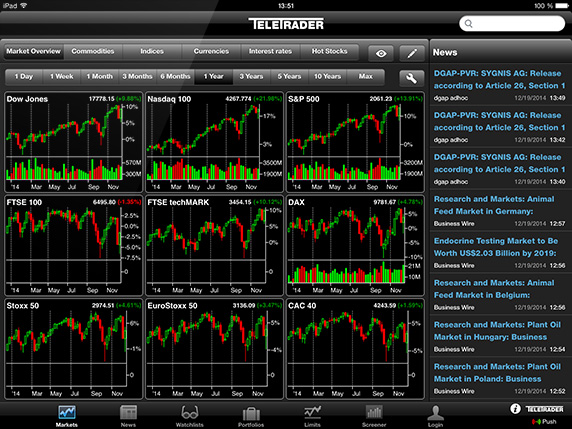
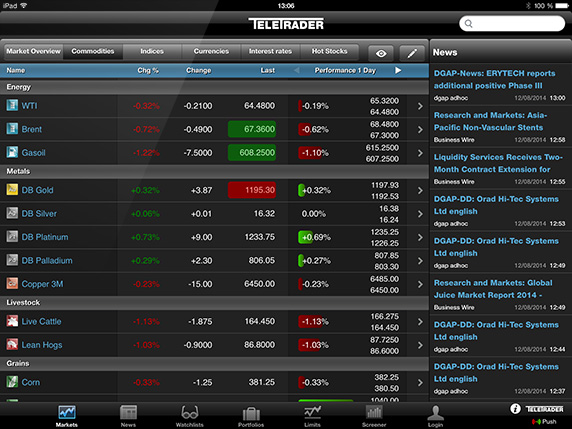
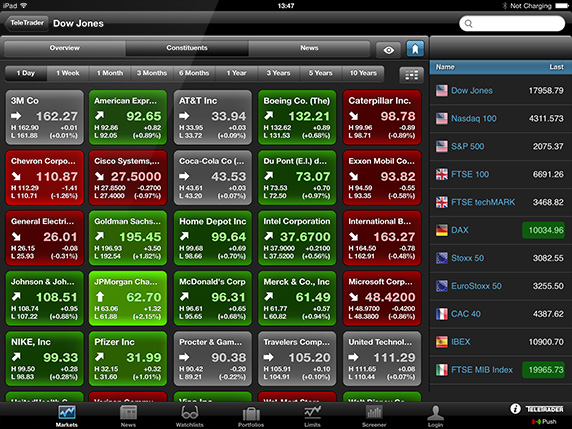
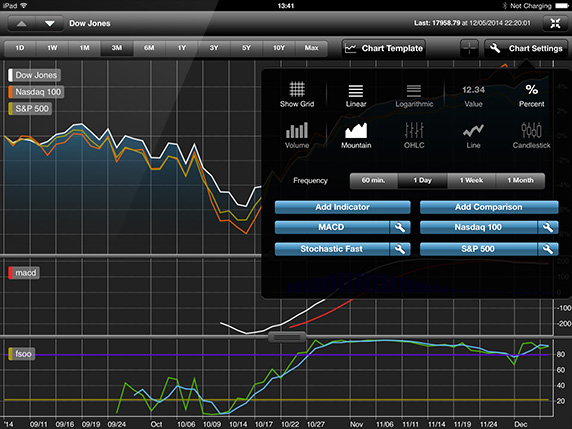

Android version 2.1 or higher is required. The app is optimized for Android smartphones and Android tablets.
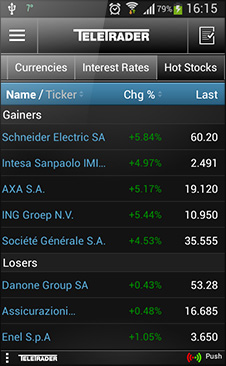
Financial information for both Android smartphones and tablets lets you see real-time data for major indices from around the world, commodities and currency exchange rates for free. Of course, also quotes for stocks, futures, interest rates, bonds and many more as well as news are included. The entire application features push prices, which means that no manual reloading of the data is necessary. If you want to save bandwidth when away from a Wireless connection, you can also configure the app to push only when connected to Wi-Fi.
Set up your personal watch lists, monitor your transactions in a virtual portfolio and define alert notifications when a price limit is reached. Notifications can be sent automatically by Android Push, e-mail or text messages – also daily e-mail notifications about a customized list of securities are available. Interactive charts for technical analysis and a Stock Screener based on fundamental data like market cap, EBIT, EBITDA, net income, and so on complete the picture.
Start using the app immediately, no sign-up required – or sign up for free to get access to additional features like text notifications on price alerts!

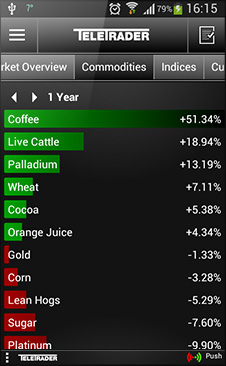
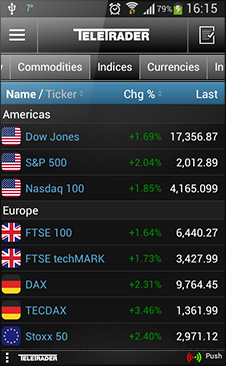

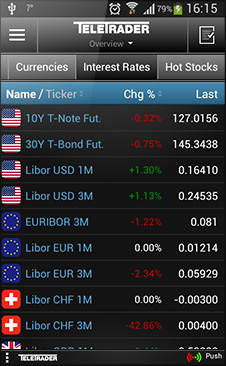


Scan the QR Code with your smartphone to install the app or open apps.teletrader.com/download in your mobile browser
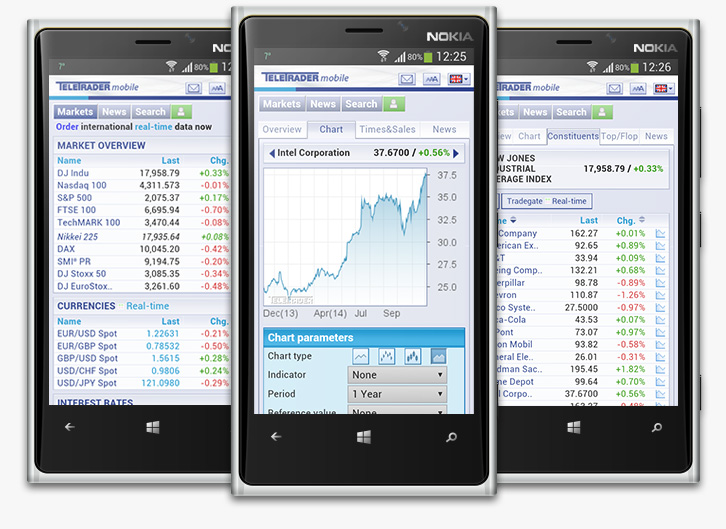
For all other mobile devices, we recommend using our mobile browser version under http://m.teletrader.com/