
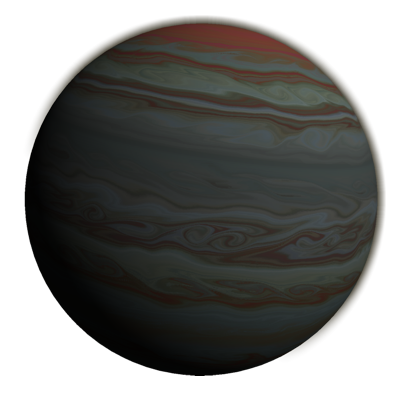
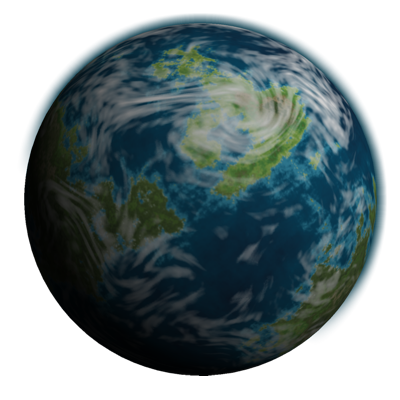
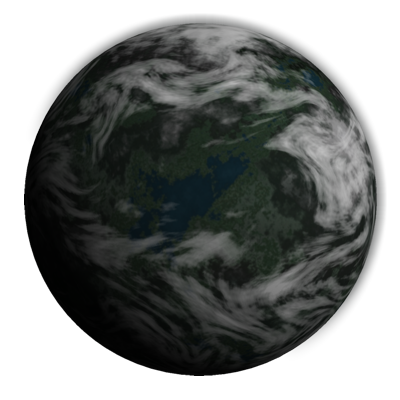
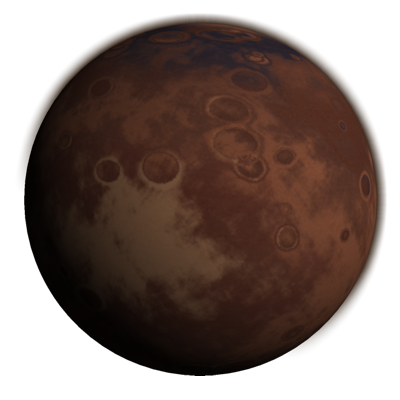
Released on November 14, 2015 version 2.0 includes new higher resolution colour themes for your planets as well improvements to memory use, speed, and cloud generation.
Textures for Planets is a free program to bulk generate dozens of unique planetoid wrapping textures for planets, asteroids, and moons.
Out of the box templates include fungal, icy, oceanic, terrestrial, rocky, volcanic, and more.
Download royalty free starter collections of textures for use in your projects.
Named after the Dieng Plateau—a volcanic complex in Central Java, Indonesia, known for its misty ancient temples and rugged beauty—the Dieng Font is more than just a set of characters. It is a typographic tribute to Javanese heritage, handcrafted for designers seeking authenticity, texture, and a touch of mysticism.
Foundries are currently releasing of the Dieng Font, allowing designers to slide between "Thin" and "Black" seamlessly for animation and web responsive design. Dieng Font
The font typically employs a high-contrast structure: thick vertical strokes paired with razor-thin horizontals. This is reminiscent of Latin Didone fonts (like Bodoni) but infused with Eastern calligraphic pressure points. This high contrast makes the font exceptionally elegant for headlines but less suitable for long paragraphs of body text. Named after the Dieng Plateau—a volcanic complex in
It wasn't until the 1970s that Indonesian scholars began to study the Dieng Font in earnest. Dr. R. M. Koentjaraningrat, a prominent Indonesian epigrapher, was instrumental in deciphering the inscription. His work revealed that the text was written in a previously unknown script, which he termed "Dieng script" or " Prasasti Dieng." The font typically employs a high-contrast structure: thick