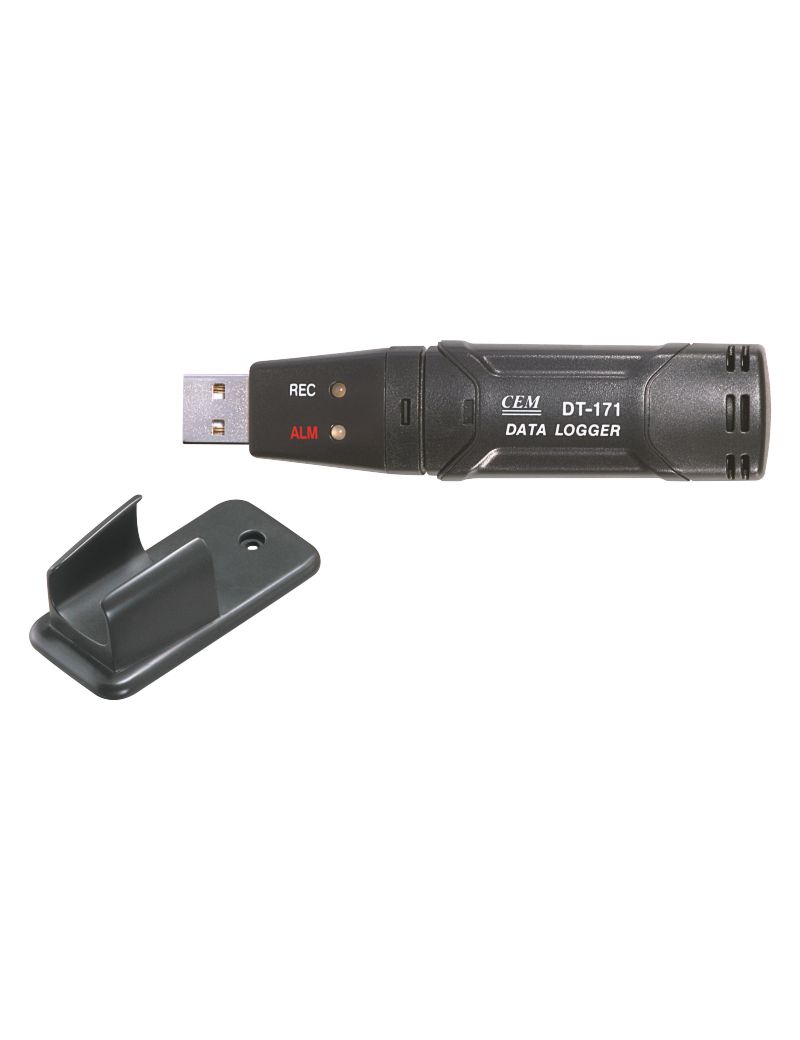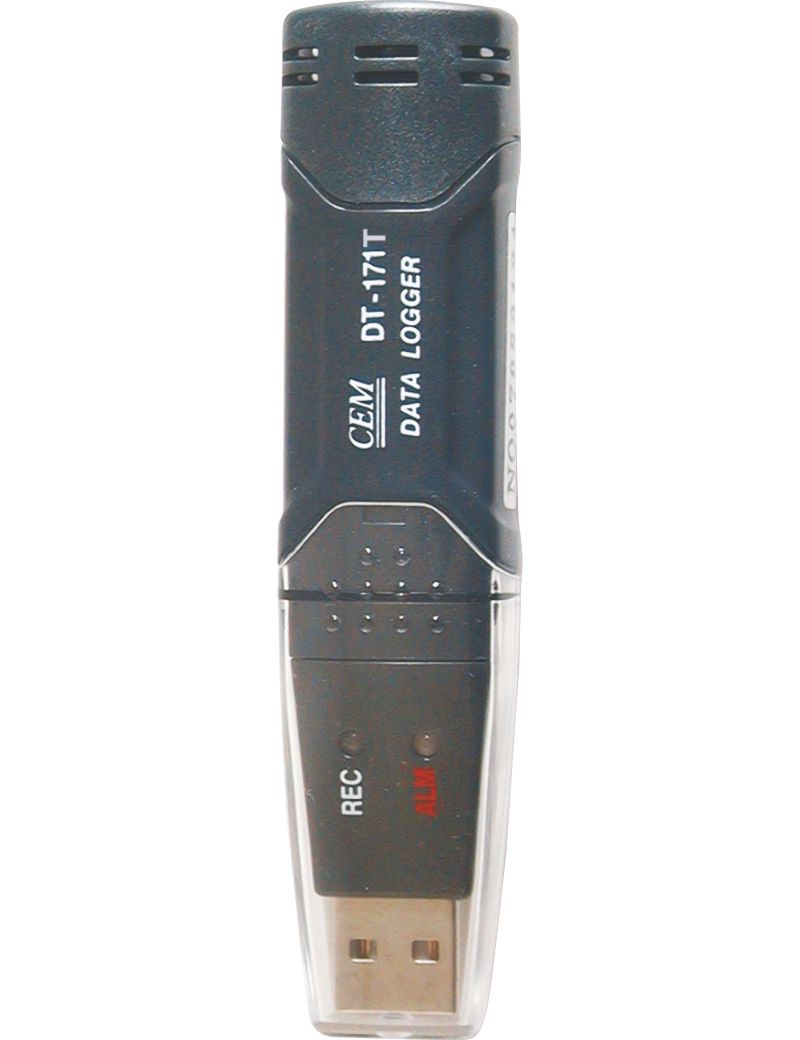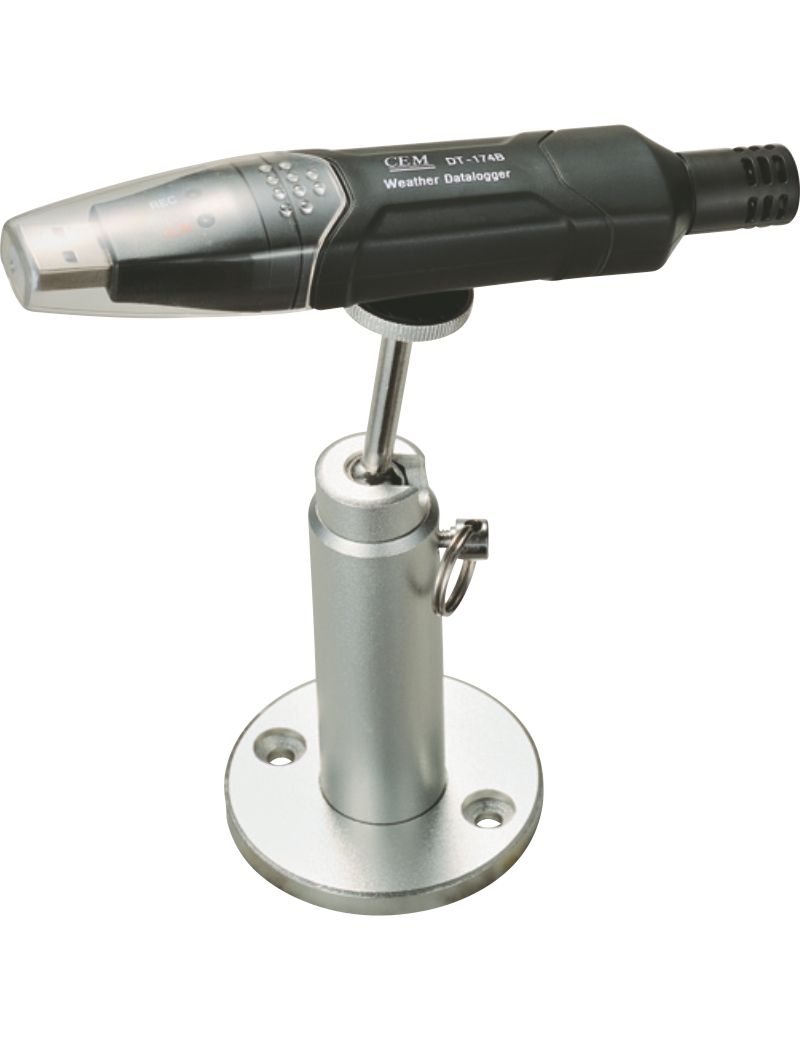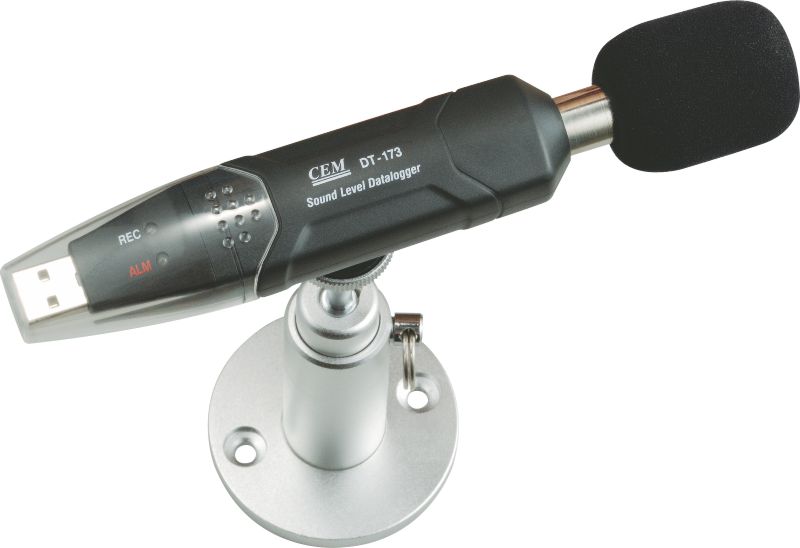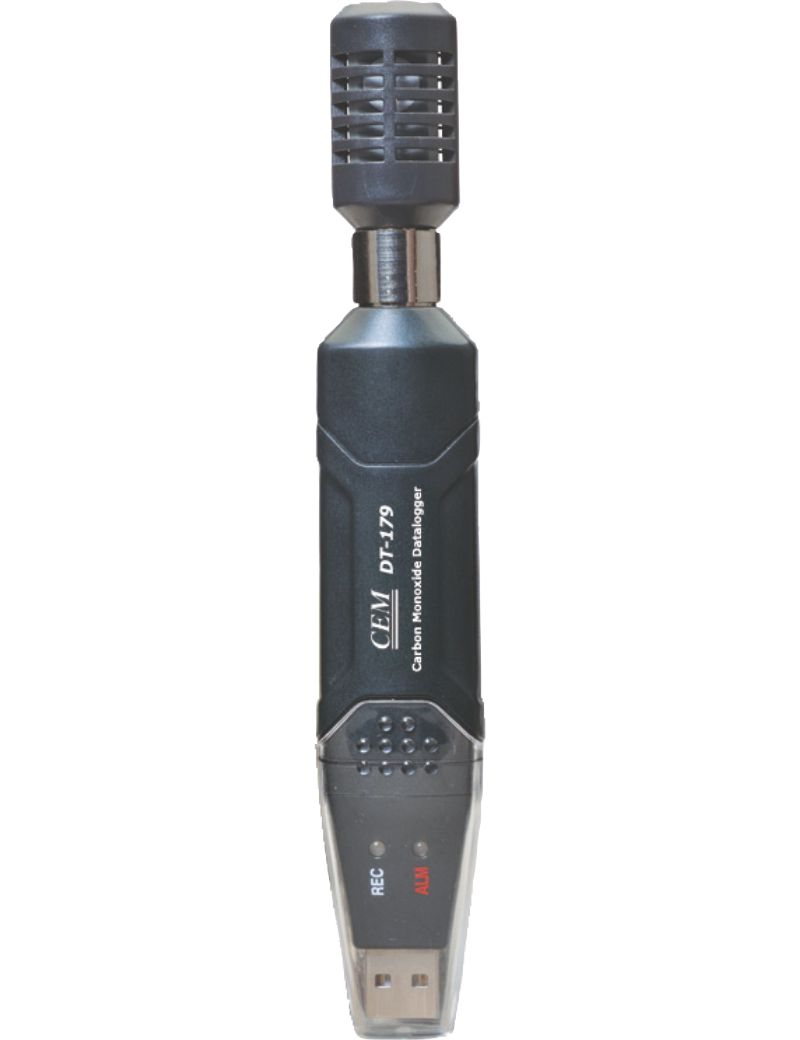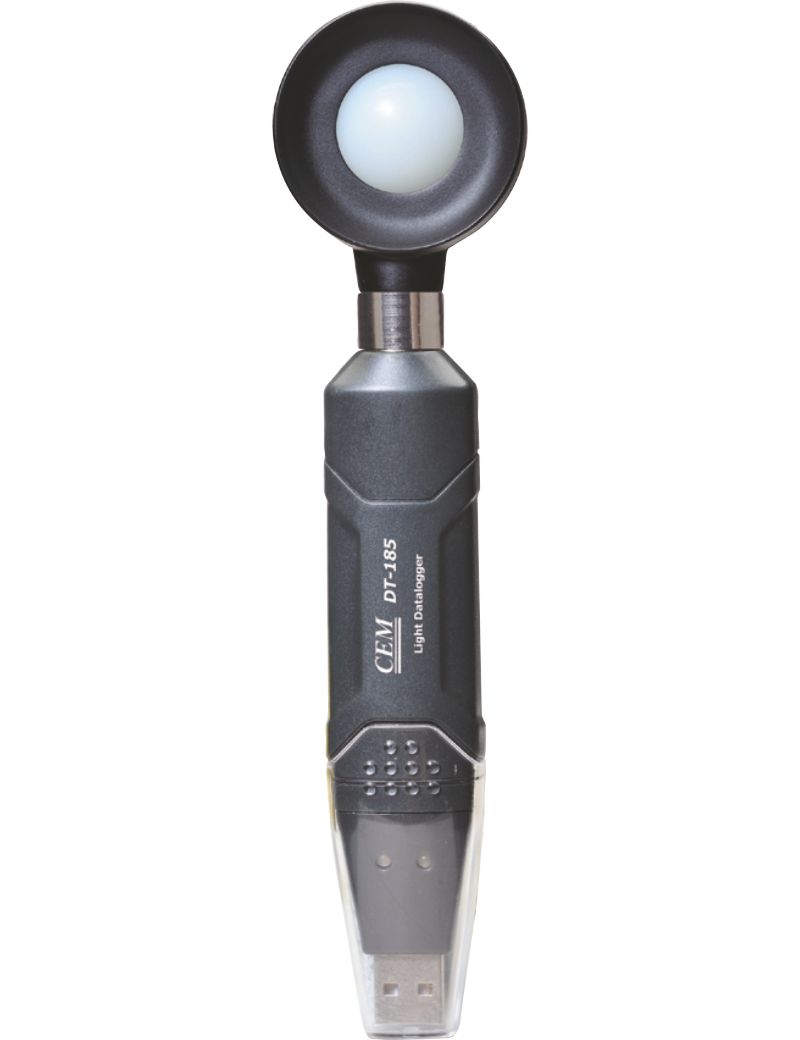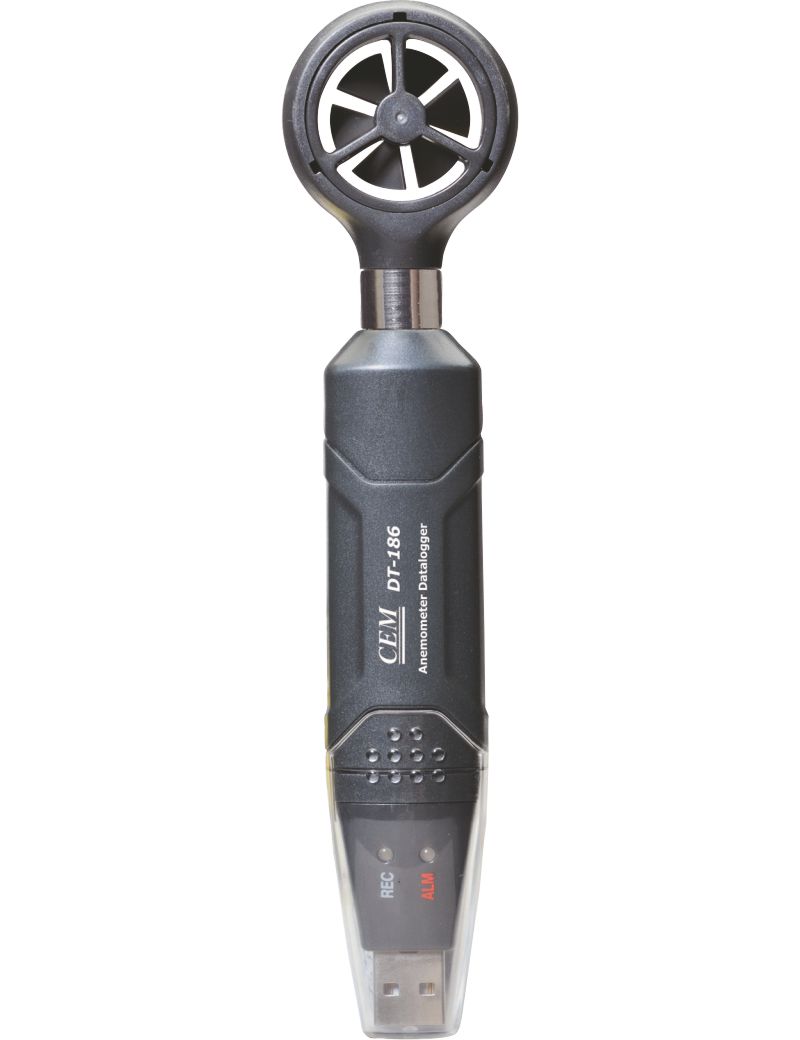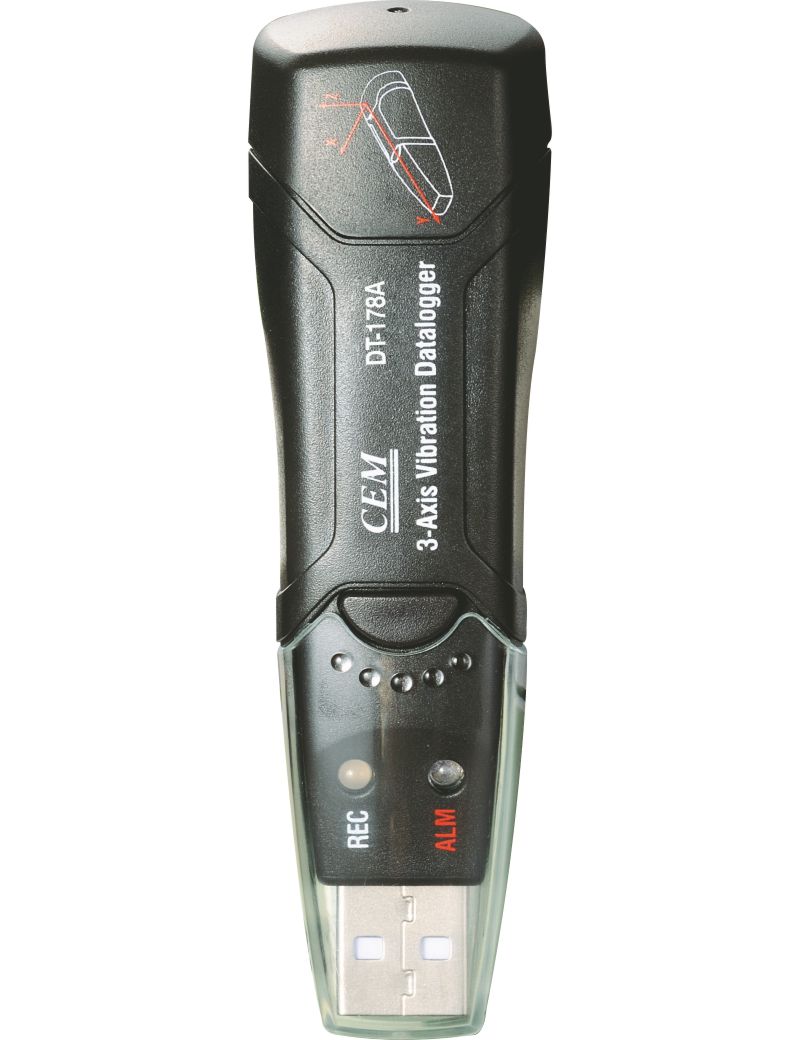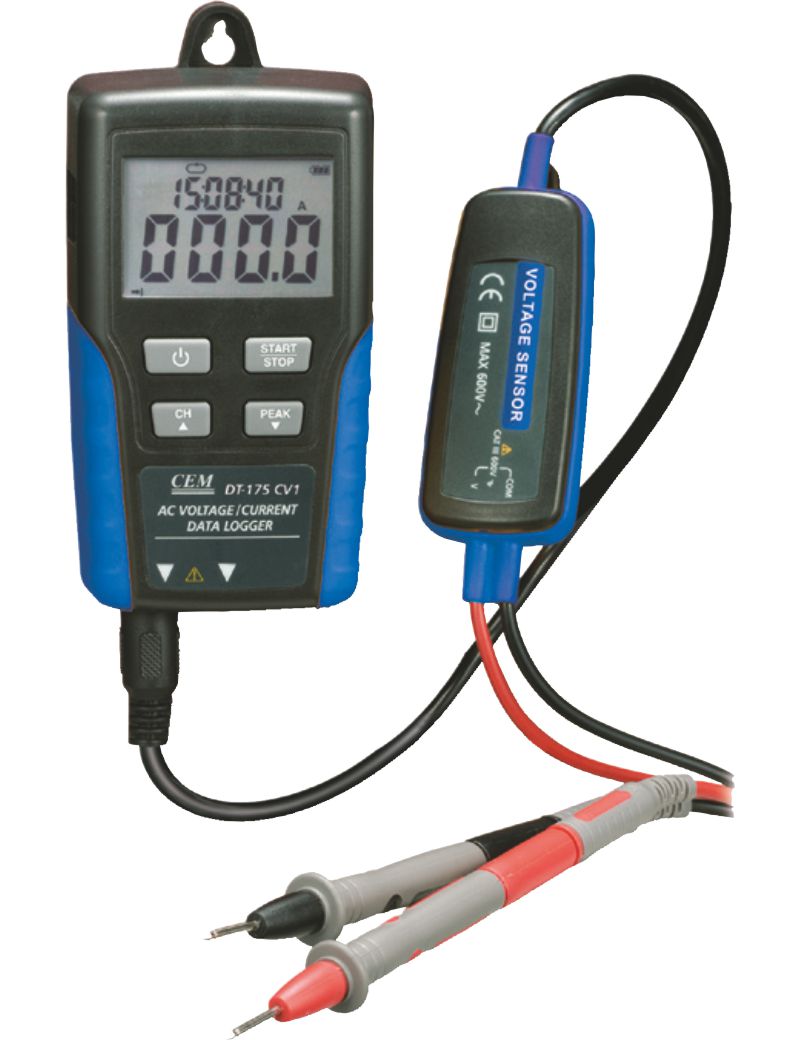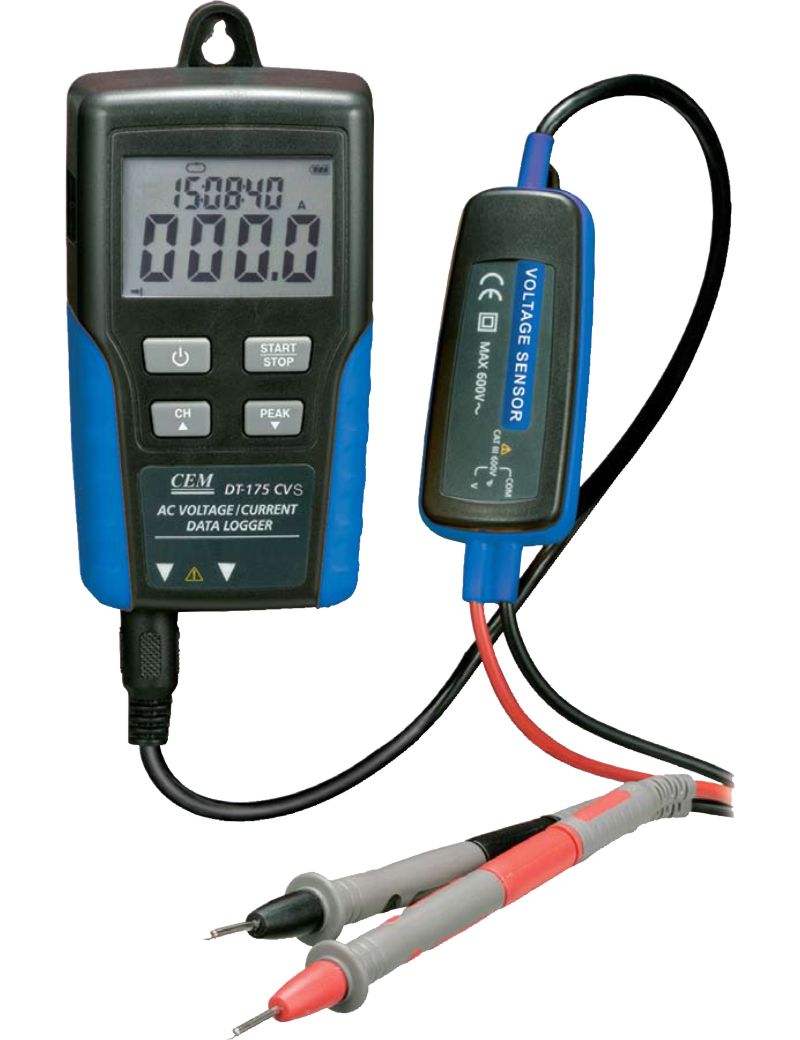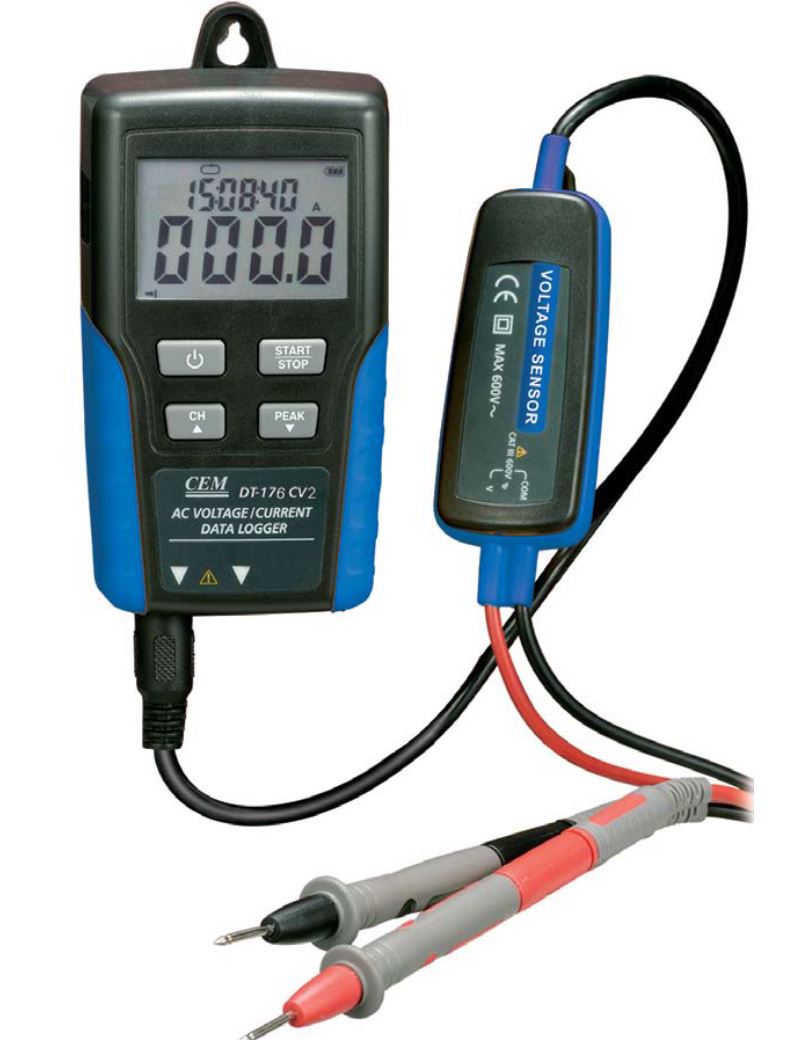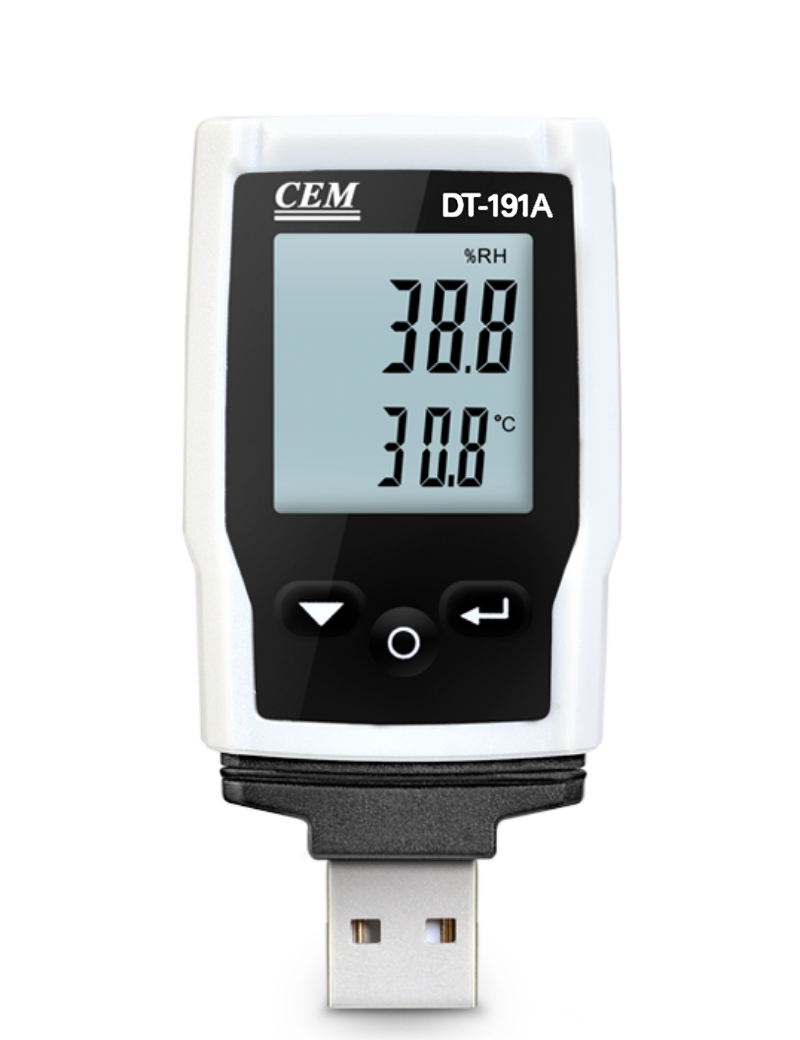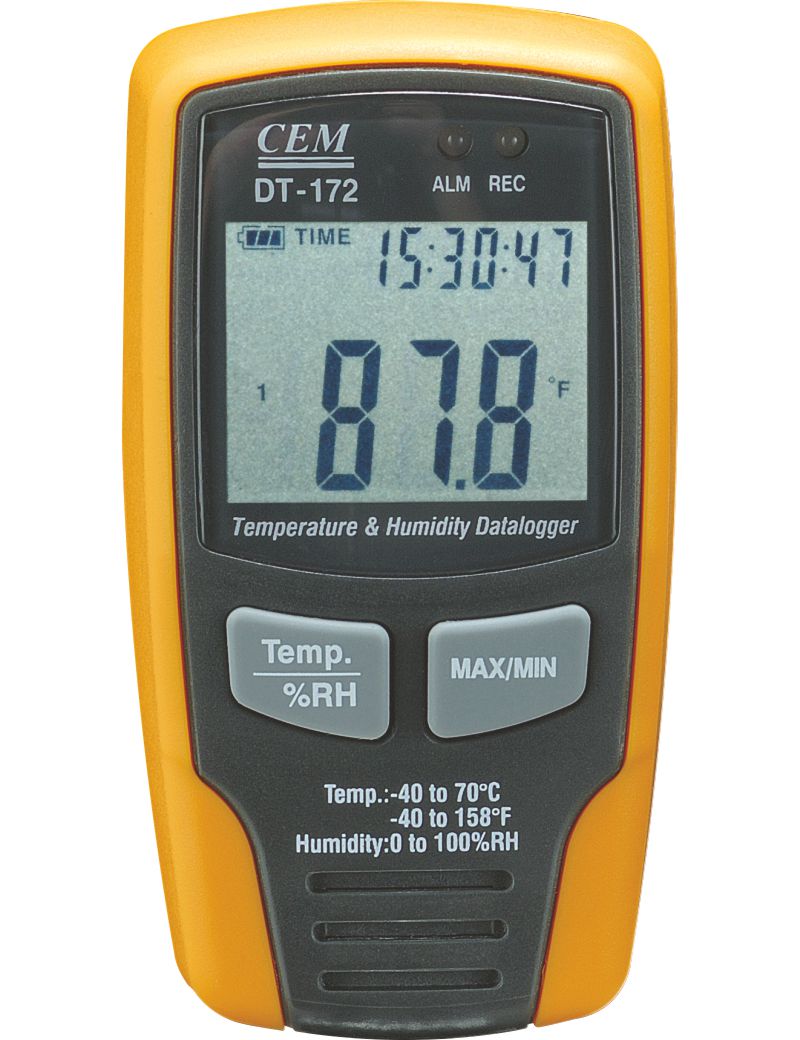
The CEM DT-172 is a smart data logger with internal sensors for both humidity and temperature. All values are shown in the display, that is present, max., min. and time. The logger is perfect for many different applications like office environment or temperature controlled transportation or clean rooms. The loggings are stamped with time and date and the large memory enables logging of 16,000 data sets.
In the software alarms limits can be programmed and the loggings are easily transferred and printed as graph or list.
The CEM DT-172 is delivered ready to use with battery, wall mount, software, USB cable and manual.
Upload the hex file to your target hardware via a programmer like the PICKit. Conclusion
Support for popular programmers like the ICD 3, ICD 4, and PICKit series.
Enter your 20-digit license key or install the demo. Version 5.008 uses a file-based license ( ccs.pkey ), typically placed in C:\Program Files (x86)\CCS\ .
Without worrying whether the ADC clock source is Fosc/2 or Fosc/8; the compiler resolves it based on your selected device.
#include <16F887.h> #device ADC=10 // 10-bit ADC resolution #use delay(internal=20MHz) // Assume external 20MHz crystal #use rs232(baud=9600, UART1) // For debugging via serial
output_high(PIN_B0); output_low(PIN_B0); int value = input(PIN_B1); output_bit(PIN_B0, 1); output_toggle(PIN_B0);