





Talk to us?
welcome To
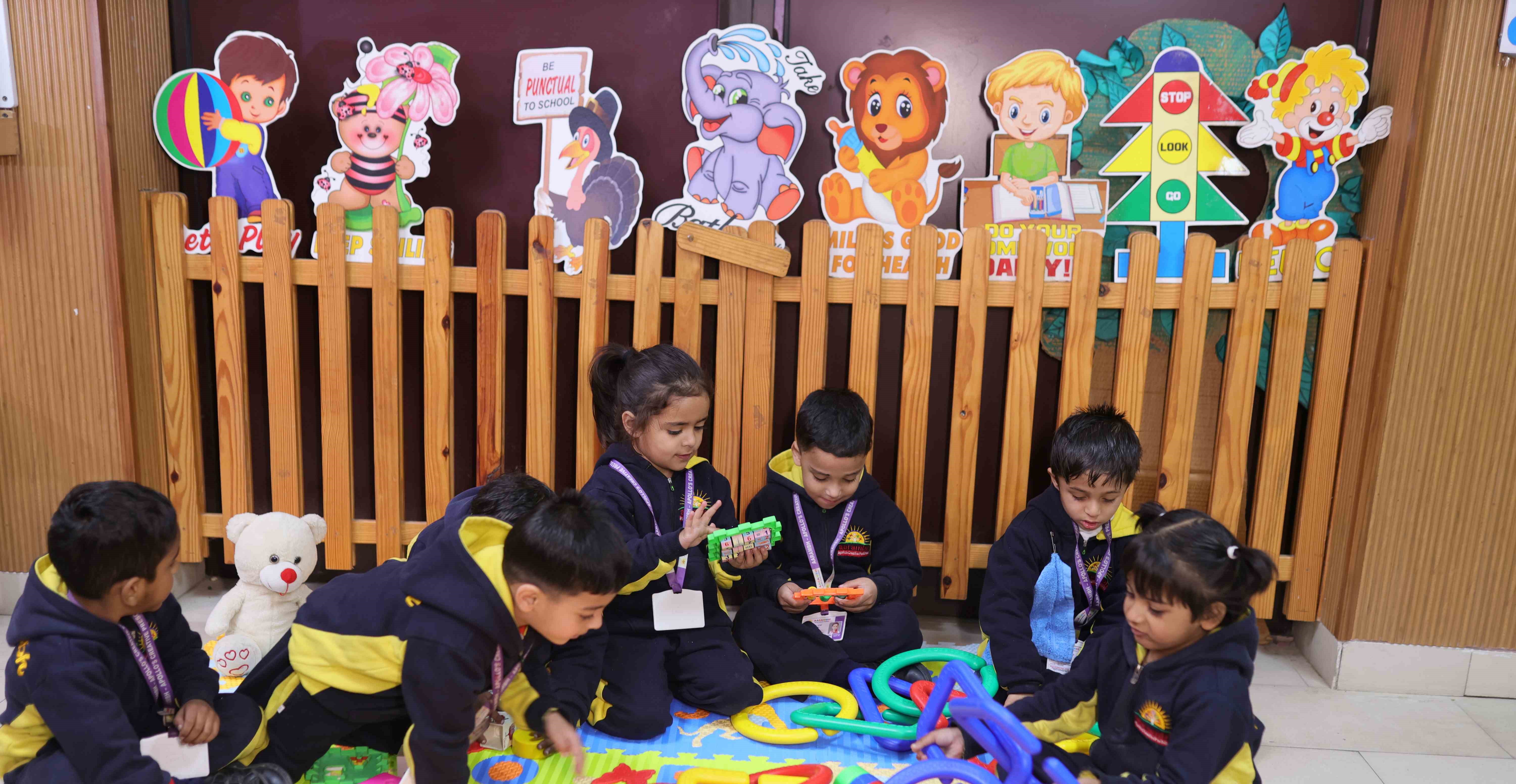
Apollo International School, established in March 1999, was conceived with a mission to offer quality education that prioritizes the holistic development of students. Its foundation rests on the belief that the needs and aspirations of students should be at the core of its educational philosophy. The school seeks to create a nurturing environment where academic excellence is achieved through personalized attention, catering to the unique strengths, interests, and learning paces of each student.

PutaLocura did not merely import foreign trends; it created a distinct sub-genre characterized by the "fakings" style—a blend of reality TV tropes and adult performance. The appeal lies in the linguistic and cultural connection. For the Spanish-speaking audience, hearing the vernacular, the slang, and the specific tonalities of Madrid or Barcelona adds a layer of immersion that polished American productions often lack. PutaLocura 25 02 03 Lulita Star SPANISH XXX 480...
This report provides a general overview of PutaLocura Lulita Star and her influence on Spanish entertainment content and popular media. However, a more in-depth analysis would require access to more extensive data, including her social media metrics, audience demographics, and specific content analysis.
Escribir sobre PutaLocura y Lulita Star es intentar atrapar un relámpago en una botella. Son el síntoma de una España que ya no consume cultura de forma pasiva, sino que la crea, la destruye y la comenta en tiempo real. Y PutaLocura es el paraguas bajo el que una generación se refugia para sentirse comprendida en su desorden. PutaLocura did not merely import foreign trends; it
The legal battles and ethical debates surrounding the brand have frequently made national headlines, sparking discussions about media regulation, digital privacy, and labor rights within the entertainment sector.
We are already seeing the "Lulitization" of mainstream media. Spanish radio hosts now try to mimic her vocal fry. Reality TV producers are casting "Lulita-types" who instigate chaos rather than romance. Even the world of advertising is shifting. A recent ad for a Spanish energy drink featured a woman screaming "¡Necesito PutaLocura!" into a megaphone, a direct rip-off of Lulita’s signature line. This report provides a general overview of PutaLocura
Este análisis se basa en la estética y narrativa pública generada por las comunidades asociadas a PutaLocura y Lulita Star en plataformas digitales como Twitch, X (Twitter) y TikTok.
Si analizamos a PutaLocura y Lulita Star desde la perspectiva de los mass media tradicionales (Telecinco, Antena 3, La 1), el desconcierto es total. No hay guión. No hay horario fijo. Hay lagrimas, gritos, silencios incómodos y, de repente, un baile. Este formato "basura sagrada" ha calado hondo porque ofrece algo que la televisión convencional ya no puede: .
PutaLocura did not merely import foreign trends; it created a distinct sub-genre characterized by the "fakings" style—a blend of reality TV tropes and adult performance. The appeal lies in the linguistic and cultural connection. For the Spanish-speaking audience, hearing the vernacular, the slang, and the specific tonalities of Madrid or Barcelona adds a layer of immersion that polished American productions often lack.
This report provides a general overview of PutaLocura Lulita Star and her influence on Spanish entertainment content and popular media. However, a more in-depth analysis would require access to more extensive data, including her social media metrics, audience demographics, and specific content analysis.
Escribir sobre PutaLocura y Lulita Star es intentar atrapar un relámpago en una botella. Son el síntoma de una España que ya no consume cultura de forma pasiva, sino que la crea, la destruye y la comenta en tiempo real. Y PutaLocura es el paraguas bajo el que una generación se refugia para sentirse comprendida en su desorden.
The legal battles and ethical debates surrounding the brand have frequently made national headlines, sparking discussions about media regulation, digital privacy, and labor rights within the entertainment sector.
We are already seeing the "Lulitization" of mainstream media. Spanish radio hosts now try to mimic her vocal fry. Reality TV producers are casting "Lulita-types" who instigate chaos rather than romance. Even the world of advertising is shifting. A recent ad for a Spanish energy drink featured a woman screaming "¡Necesito PutaLocura!" into a megaphone, a direct rip-off of Lulita’s signature line.
Este análisis se basa en la estética y narrativa pública generada por las comunidades asociadas a PutaLocura y Lulita Star en plataformas digitales como Twitch, X (Twitter) y TikTok.
Si analizamos a PutaLocura y Lulita Star desde la perspectiva de los mass media tradicionales (Telecinco, Antena 3, La 1), el desconcierto es total. No hay guión. No hay horario fijo. Hay lagrimas, gritos, silencios incómodos y, de repente, un baile. Este formato "basura sagrada" ha calado hondo porque ofrece algo que la televisión convencional ya no puede: .