La Emancipada Pdf [better] Jun 2026
Version: 2.2.15 (2020-12-05)
Windows 32-bit or 64-bit supported
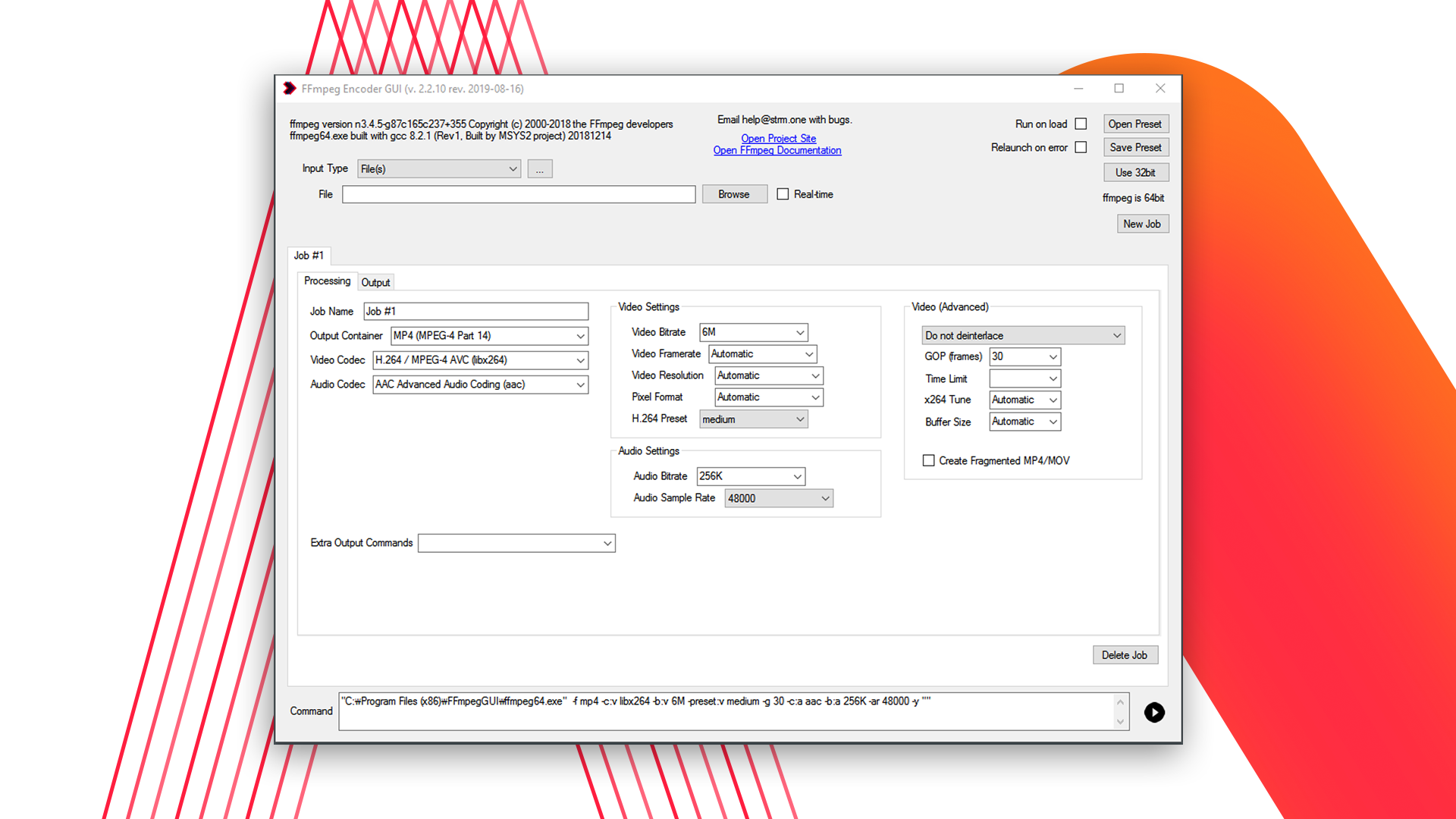
Version: 2.2.15 (2020-12-05)
Windows 32-bit or 64-bit supported
Many free PDFs available on generic document-sharing sites (like Scribd, Academia.edu, or unknown blogspot pages) are poorly scanned from old, decaying physical books. These scans often contain:
The original 1863 text uses 19th-century Spanish orthography (e.g., mérito vs. merito , or leí vs. lei ). A good modern PDF should either preserve this for historical accuracy or offer a modernized version. Additionally, scholarly editions include critical introductions, footnotes, and historical context—invaluable for university students.
The digitization of classic literature has democratized access to works that were once confined to university libraries or private collections. When users search for , they are usually looking to download the full text for academic study or personal reading. This demand highlights the enduring relevance of a novel written in the 19th century.

FFmpegGUI currently supports File, DirectShow, Blackmagic Decklink, NewTek NDI or URL inputs.
Drag and drop your file(s) from your system to be processed quickly.
Prompting to rename any input file(s) with non-ASCII filenames to be compatible with command-line processor. la emancipada pdf
You can easily export your clip(s) to a file, NewTek NDI destination, RTMP server or any other custom output supported by FFmpeg.
The included FFmpeg is built with hardware encoding support for NVENC. GUI support is experimental at this time, feedback is welcome. Many free PDFs available on generic document-sharing sites
32-bit and 64-bit Windows binaries of FFmpeg included. Current binaries are based on version 3.4.5.
Save your encoding settings as file to be recalled later. Settings are formatted as an XML document. scholarly editions include critical introductions
GUI project is developed by ffmpeg fans and distributed for any usage. Non-free codecs in the included FFmpeg build may have further restrictions.
Many free PDFs available on generic document-sharing sites (like Scribd, Academia.edu, or unknown blogspot pages) are poorly scanned from old, decaying physical books. These scans often contain:
The original 1863 text uses 19th-century Spanish orthography (e.g., mérito vs. merito , or leí vs. lei ). A good modern PDF should either preserve this for historical accuracy or offer a modernized version. Additionally, scholarly editions include critical introductions, footnotes, and historical context—invaluable for university students.
The digitization of classic literature has democratized access to works that were once confined to university libraries or private collections. When users search for , they are usually looking to download the full text for academic study or personal reading. This demand highlights the enduring relevance of a novel written in the 19th century.