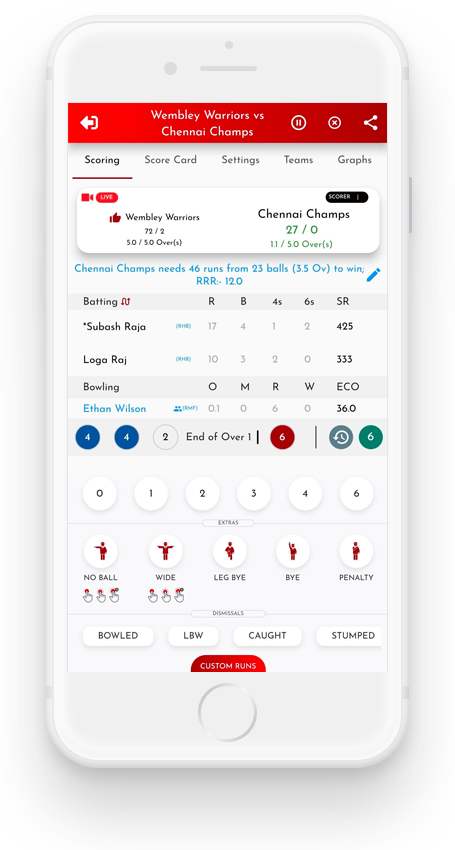
Ultimate Cricket tracking and scoring app for all cricketers.
Track and improve your game with the Vtrakit app right from your
smartphone or tablet. Bring your game to the next level with
Vtrakit!
Vtrakit is about helping Cricketers bring
together their passion, practice and performance.

Vtrakit’s mobile-based app is designed to be user friendly so that anyone can start using it to score games, capture cricketing stats and practice sessions. You could be playing village Cricket, gully Cricket, club Cricket or professional Cricket - you can use Vtrakit to improve your performance, elevate your game and experience Cricket in a whole new way.
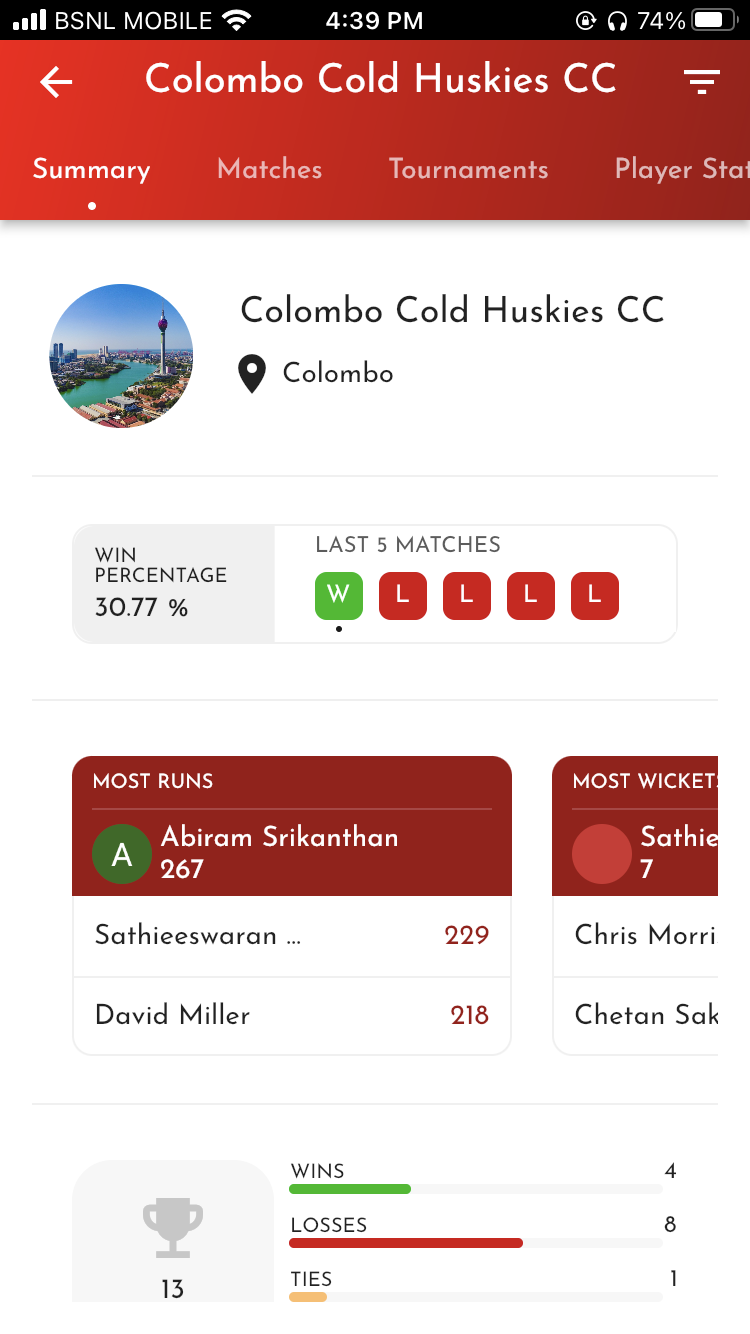
Vtrakit App is full of unique features that you can explore to transform your cricketing experience. In addition to scoring games and keeping track of your Cricket stats, you can also connect to other players, capture your practice sessions and create tournaments. Watch the video to get a sneak preview of the Vtrakit App.

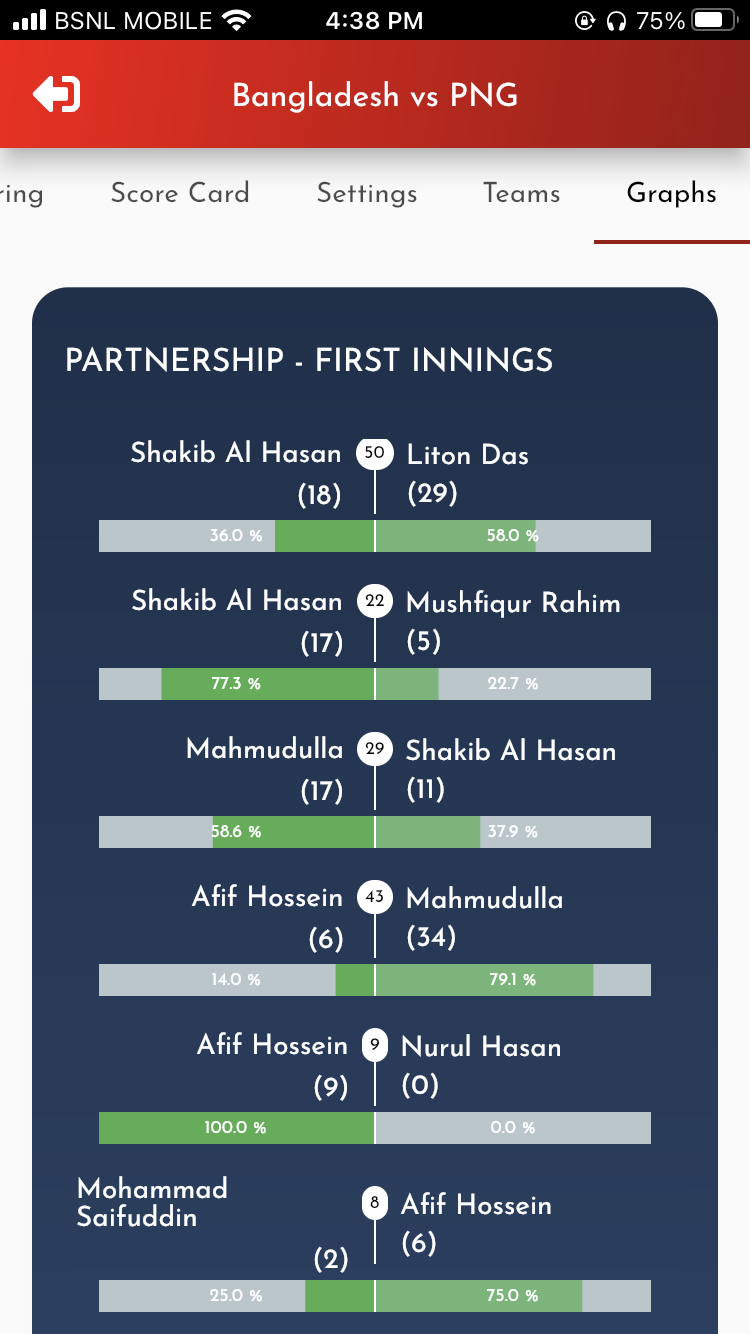
Live capture ball-by-ball score of your match with the Vtrakit App & download your scorecard in PDF

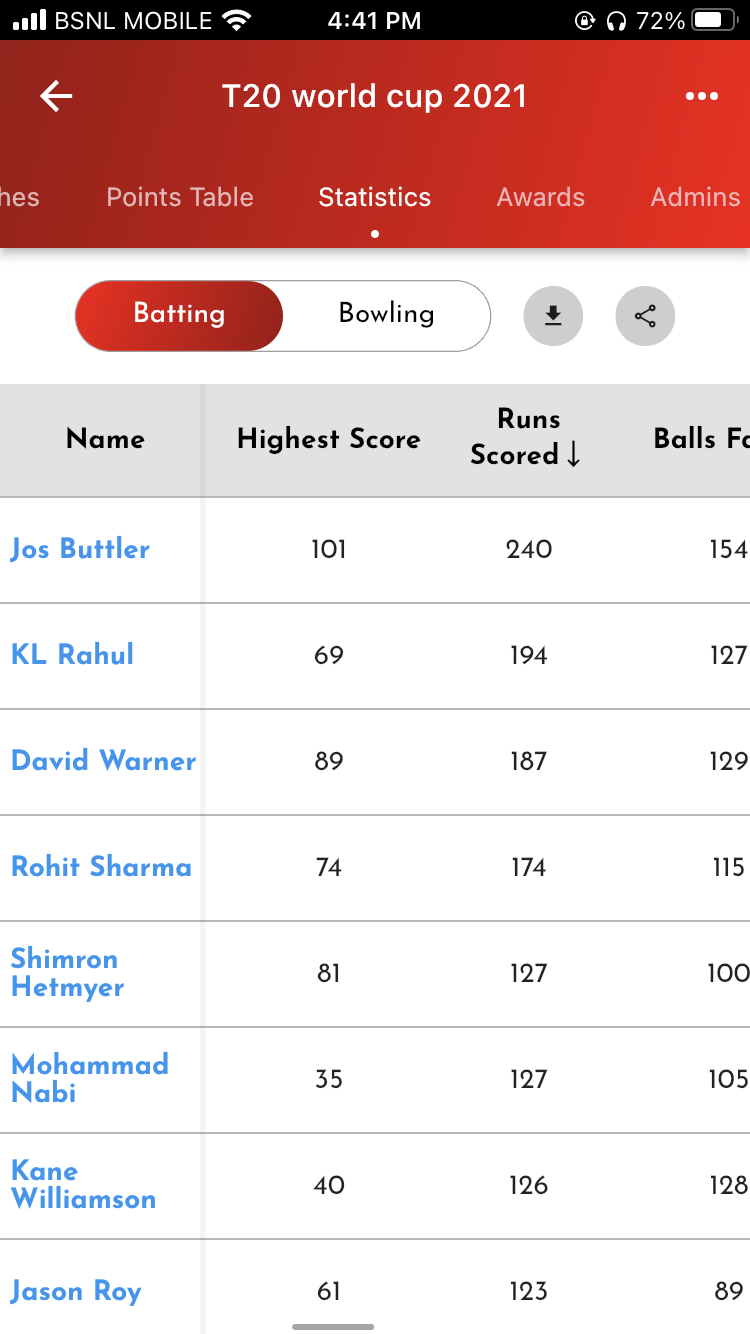
Organize tournaments, schedule matches, see tournament stats, points table and much more schubert impromptu op 90 no 2 harmonic analysis

Scoring no longer has to fall to one person, transfer scoring to another user during a match within seconds This section uses widely spaced bare octaves and

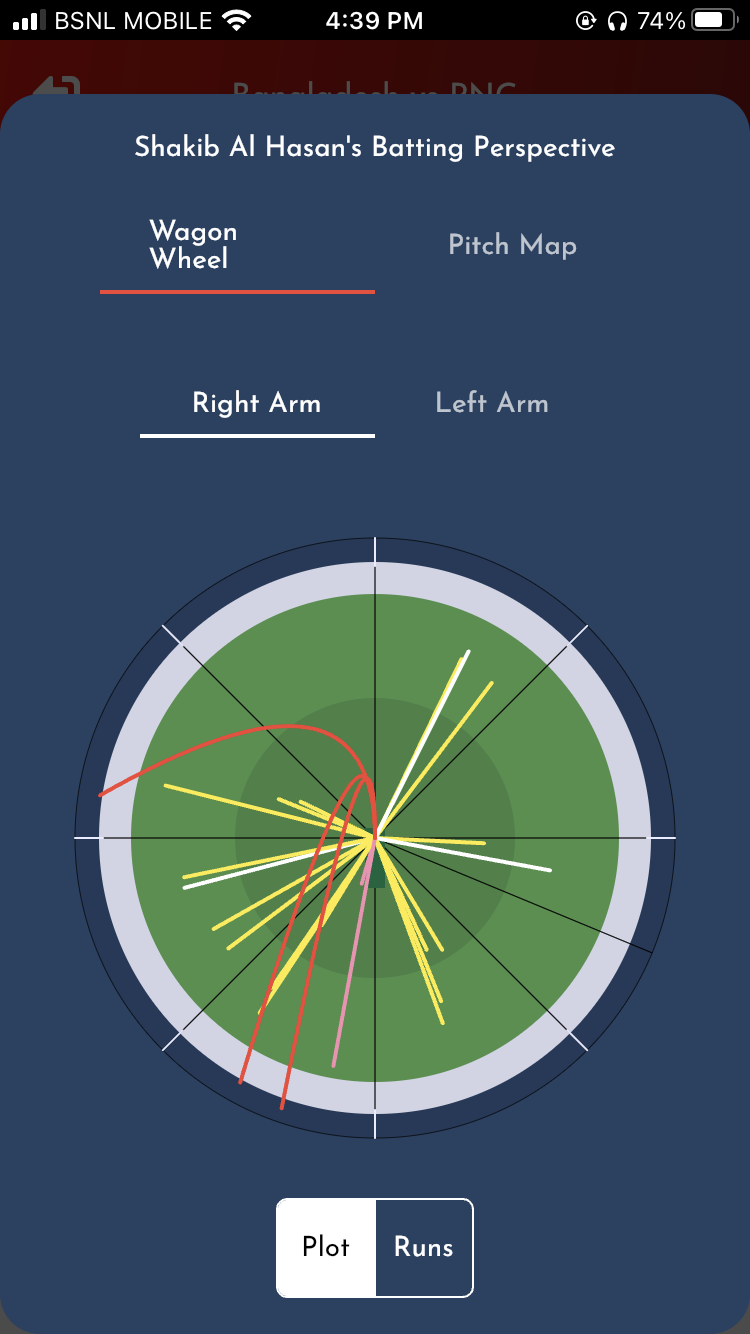
Relive your shots and deliveries with Pitch Map and Wagon Wheel After nearly 150 bars of evasion, the “Impromptu

Track all your practice hours (batting, bowling, fielding and wicket keeping) by capturing it

You can log your fitness hours and see your progress in real-time.
This section uses widely spaced bare octaves and off-beat accented triplets, creating a "bohemian waltz" or "all'ongarese" (Hungarian style) feel.
At measure 147, the harmonic dam breaks. The dominant pedal finally resolves to a glorious, forte chord. After nearly 150 bars of evasion, the “Impromptu in E-flat Major” finally arrives in its true tonic key. Schubert writes the chord in solid, joyous octaves.
, creating a stark, moody, and "all'ongarese" (Hungarian style) shift. Harmonic Drama:
In fact, standard analysis: E♭ major chord → m. 34 E major chord (!!) How? Common-tone modulation on the note E♭/D♯? More likely: E♭ (I) → E♭ minor (i) → A♭ minor (iv) → D♭ major (♭VII) → F♯ major (V/?) No — simpler: Schubert just moves the same triplet figuration up a semitone and treats E major as a new tonic. This is a chromatic mediant shift (E♭ major → E major = shift by augmented unison, rare). Actually, E major is ♭II in D minor? Not relevant. Just call it surprising direct modulation to distant key .
: Resolution through flat submediant & tonic pedal
From measure 29 onward, the right hand explodes into descending triplet runs. Harmonically, this is a descending sequence of dominant 7th chords, each sliding down by semitone. This is a classic Schubertian “cloud” passage—functional tonality dissolving into pure color.
The section moves to its parallel minor (E-flat minor), creating a darker, more melancholic character while retaining the triplet texture.
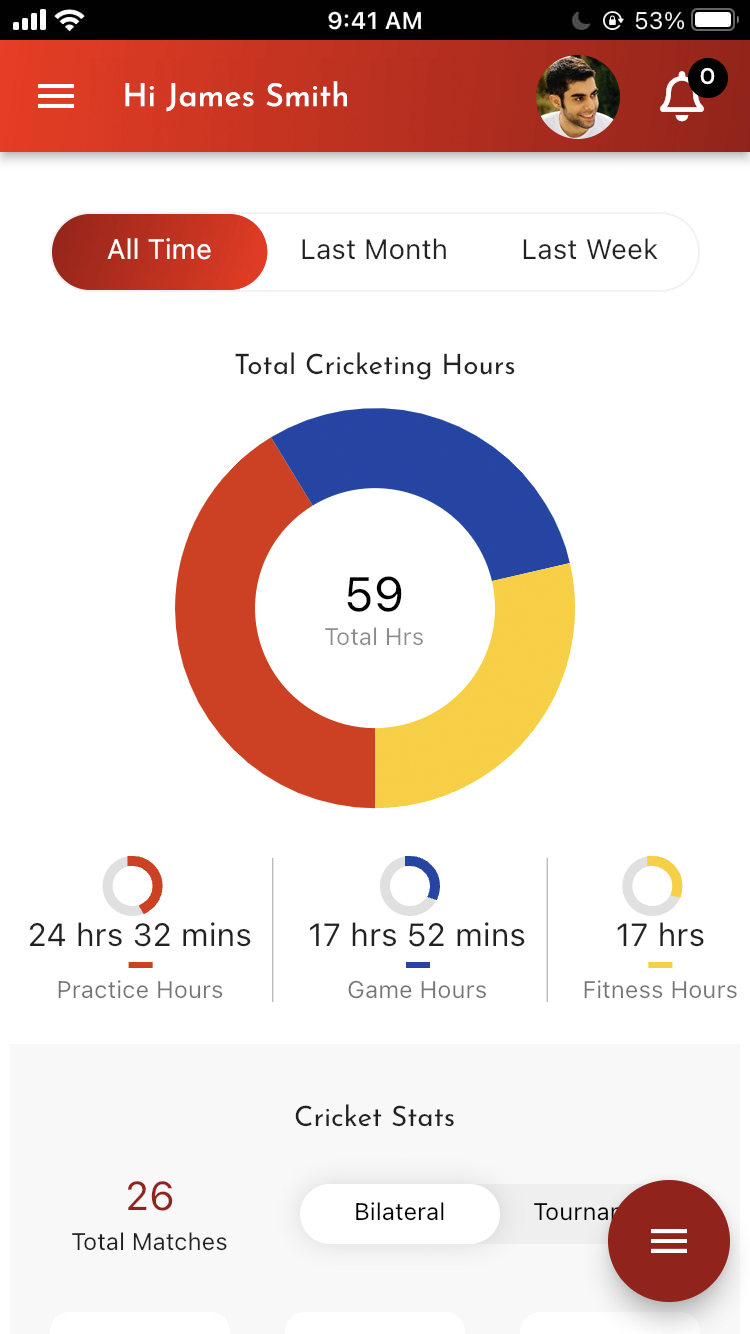

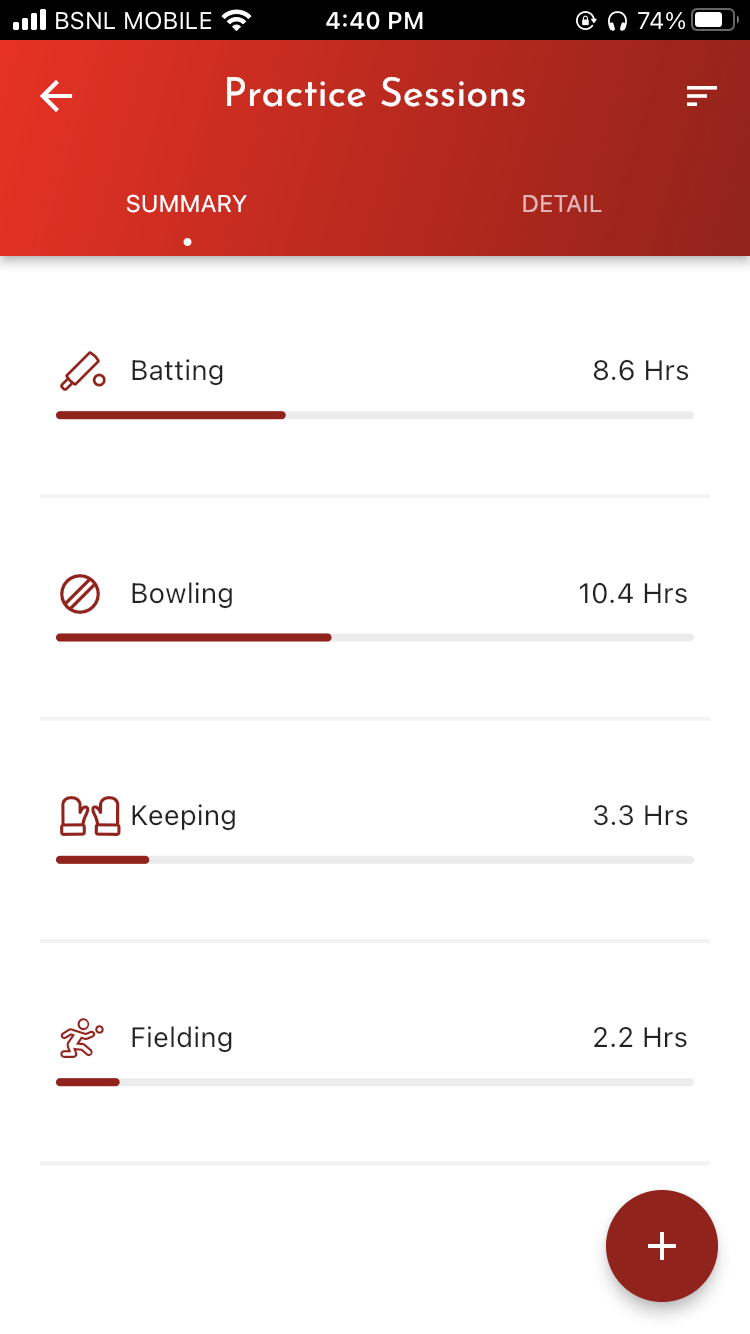
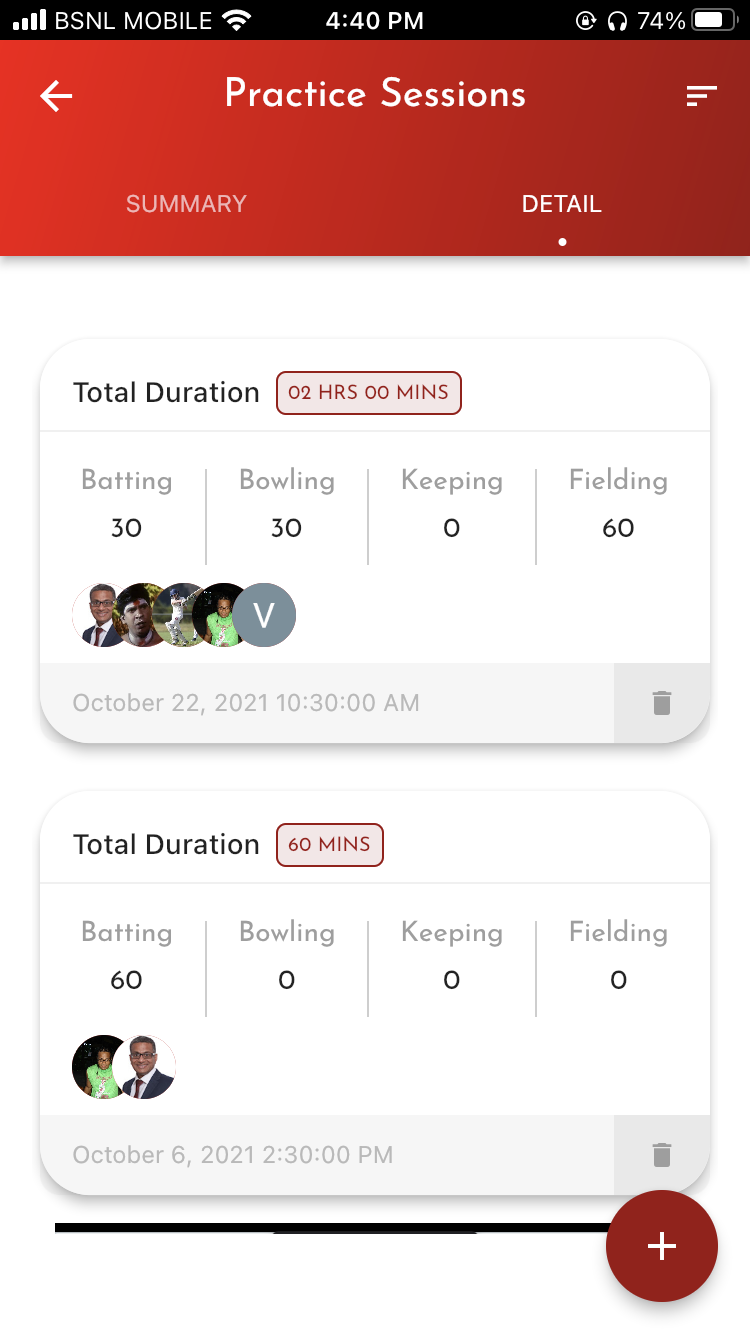


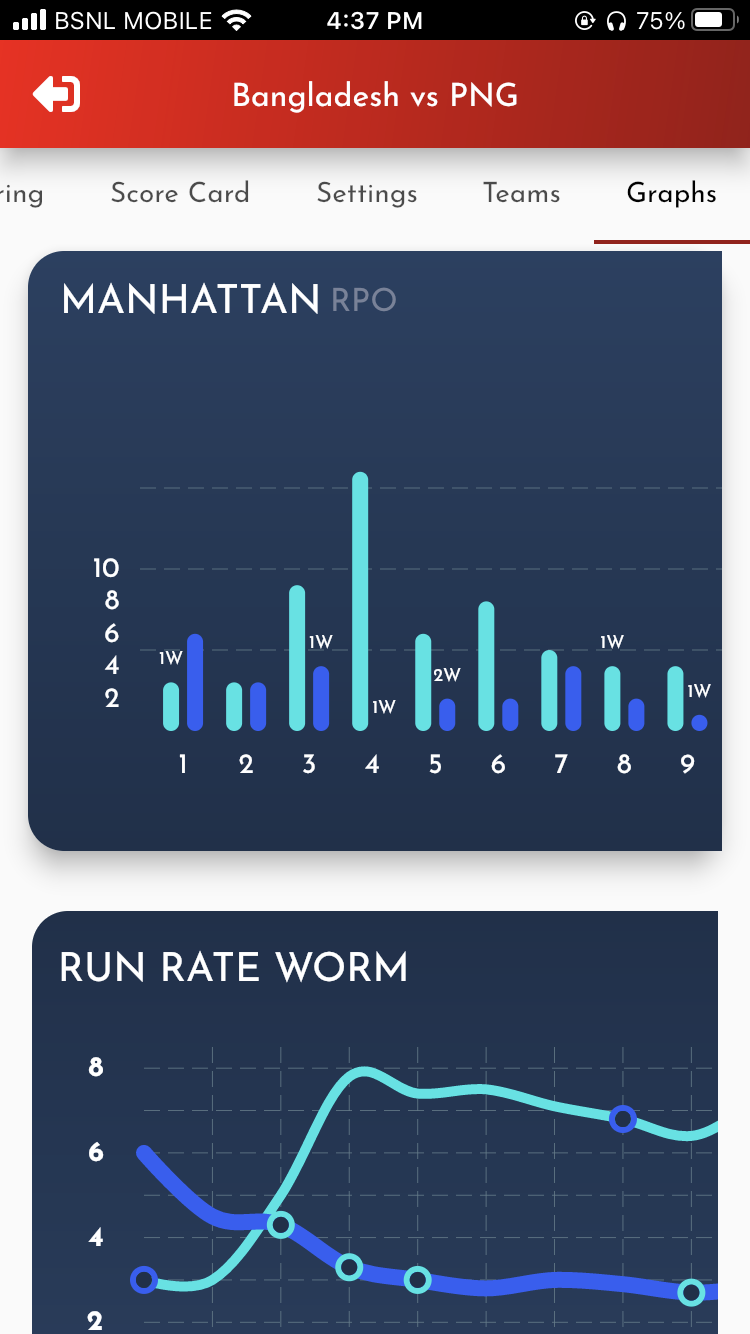
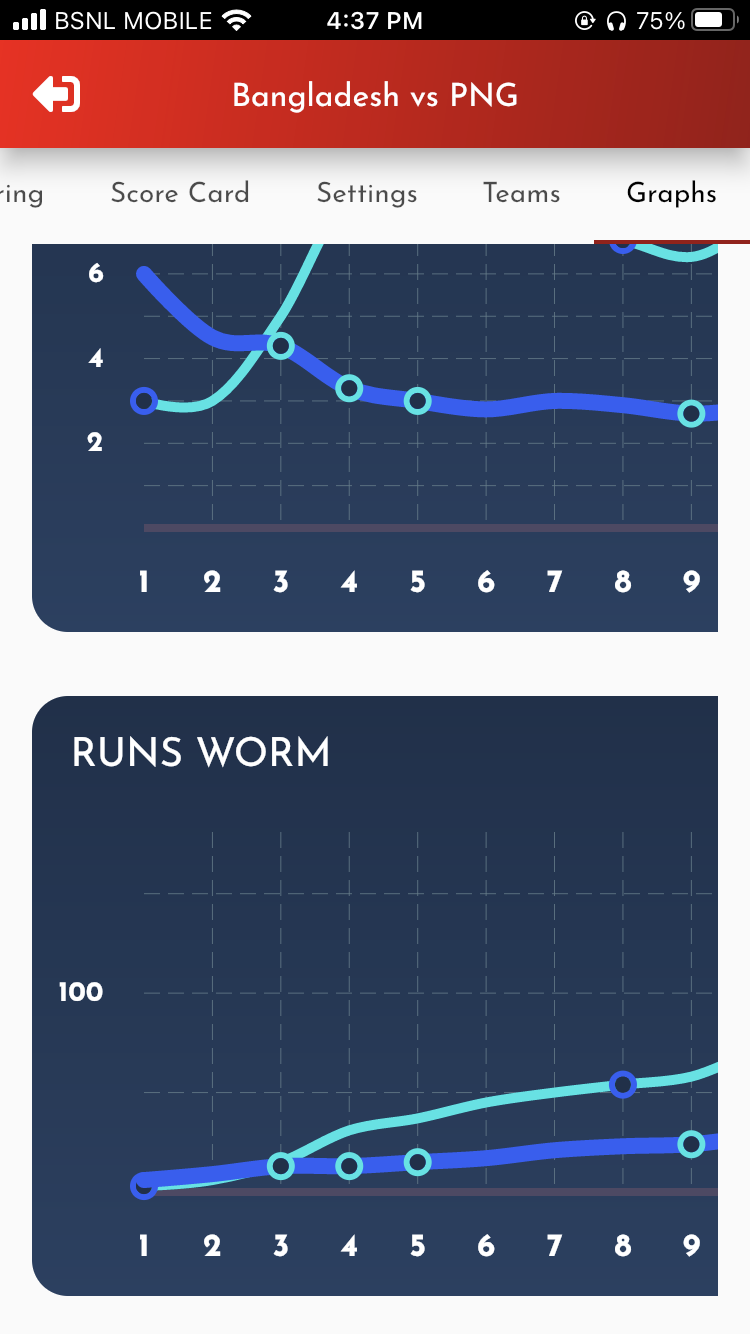
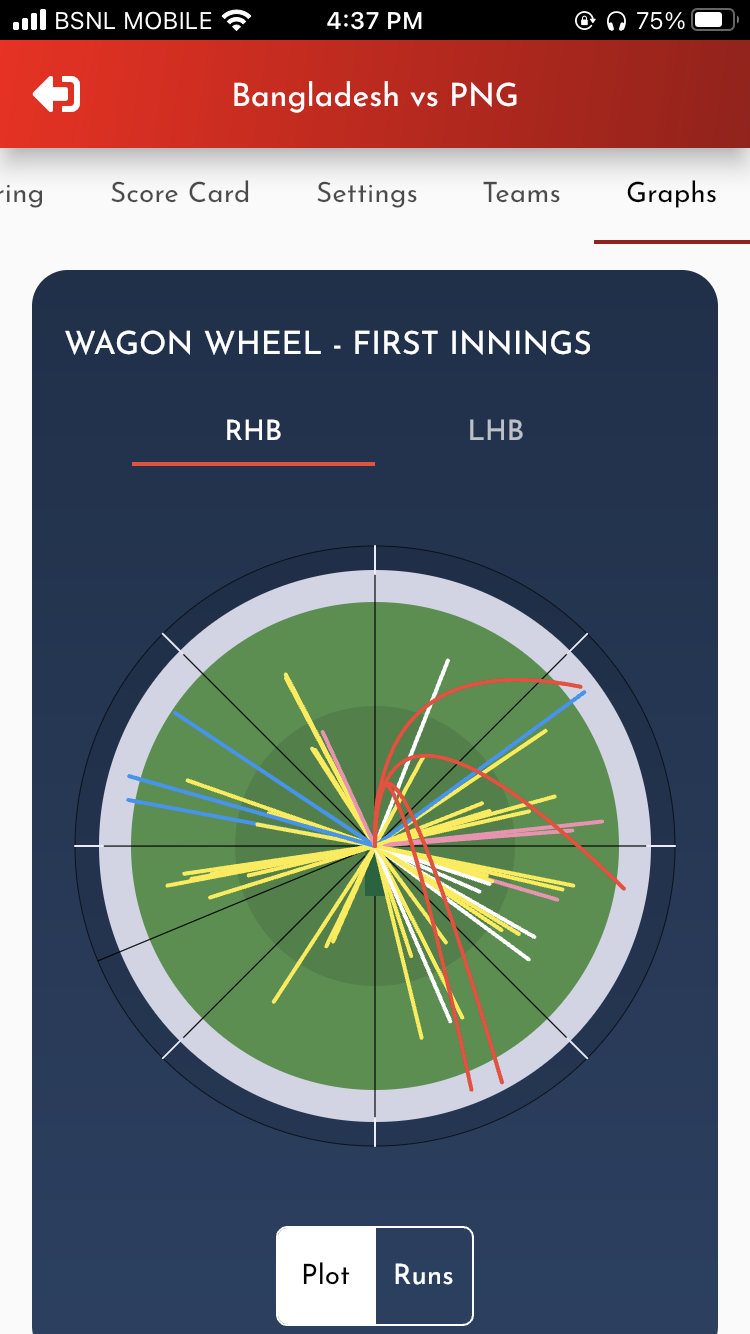
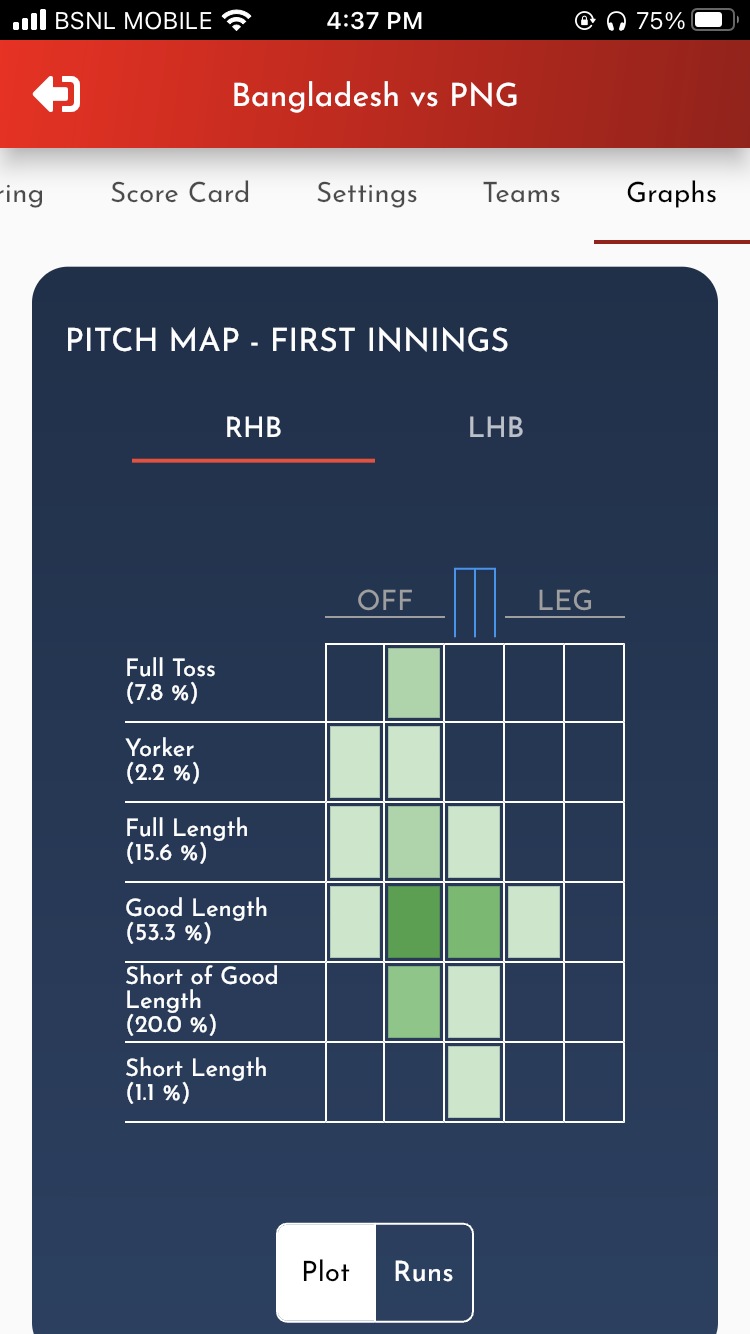

We are Vtrakit. We are about capturing and tracking every aspect of your game to help you make YOUR Cricket Count! Have a look at some of our exciting features.
This section uses widely spaced bare octaves and off-beat accented triplets, creating a "bohemian waltz" or "all'ongarese" (Hungarian style) feel.
At measure 147, the harmonic dam breaks. The dominant pedal finally resolves to a glorious, forte chord. After nearly 150 bars of evasion, the “Impromptu in E-flat Major” finally arrives in its true tonic key. Schubert writes the chord in solid, joyous octaves.
, creating a stark, moody, and "all'ongarese" (Hungarian style) shift. Harmonic Drama:
In fact, standard analysis: E♭ major chord → m. 34 E major chord (!!) How? Common-tone modulation on the note E♭/D♯? More likely: E♭ (I) → E♭ minor (i) → A♭ minor (iv) → D♭ major (♭VII) → F♯ major (V/?) No — simpler: Schubert just moves the same triplet figuration up a semitone and treats E major as a new tonic. This is a chromatic mediant shift (E♭ major → E major = shift by augmented unison, rare). Actually, E major is ♭II in D minor? Not relevant. Just call it surprising direct modulation to distant key .
: Resolution through flat submediant & tonic pedal
From measure 29 onward, the right hand explodes into descending triplet runs. Harmonically, this is a descending sequence of dominant 7th chords, each sliding down by semitone. This is a classic Schubertian “cloud” passage—functional tonality dissolving into pure color.
The section moves to its parallel minor (E-flat minor), creating a darker, more melancholic character while retaining the triplet texture.