Playboy Free Pdf File 19 !exclusive! File

Playboy magazine, founded in 1953 by Hugh Hefner, was a significant cultural phenomenon that sparked conversations about masculinity, sexuality, and feminism. Over the years, the magazine has undergone numerous transformations, adapting to changing societal values and technological advancements.

Ultimately, the interest in these files proves that the magazine’s legacy is rooted as much in its cultural commentary and aesthetic as it was in its pictorials. Whether for research or nostalgia, the issues from the late 1960s remain the most sought-after pieces of the publication's history. Playboy Free Pdf File 19

In recent years, Playboy has continued to evolve, shifting its focus towards more nuanced explorations of masculinity, relationships, and culture. The magazine has also expanded its digital presence, offering online content and podcasts that cater to a new generation of readers. Playboy magazine, founded in 1953 by Hugh Hefner,

In 1969, Playboy was more than just a men's magazine; it was a literary powerhouse. A typical issue from that year featured long-form interviews with icons like Ray Bradbury or Jesse Jackson, alongside fiction from authors like Kurt Vonnegut. The aesthetic of the late sixties moved away from the staged, pin-up style of the fifties toward a more natural, "girl next door" look that defined the decade. Whether for research or nostalgia, the issues from

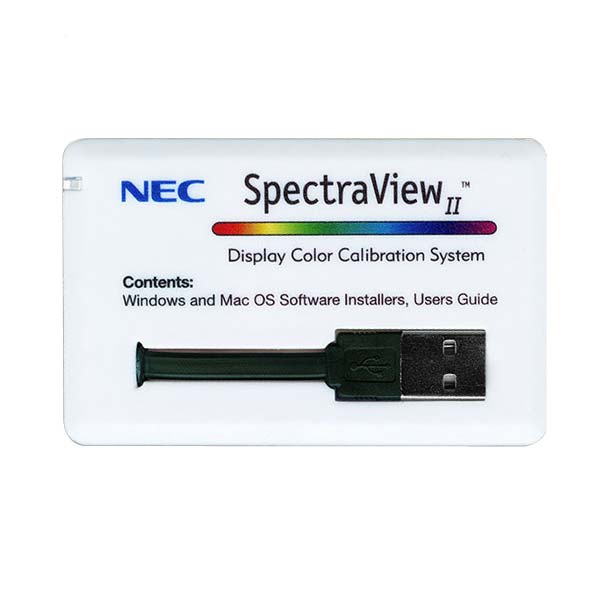
Licencia de Software SpectraView II (USB)

Software de calibración para monitores NEC serie P y PA

Llave física

Este sofware requiere de un calibrador compatible para su utilización.

El ColorMunki Display no es compatible


Licencia de Software SpectraView II (USB)

SpectraViewII System Requirements

  Playboy Free Pdf File 19 Playboy Free Pdf File 19 Playboy Free Pdf File 19
Operating System Apple Mac OS X v10.5 or higher. Note: Mac OS 10.5.2 or higher required for some Macs. SeeCompatibility Information for further details. Microsoft Windows XP (Home and Professional editions), Windows XP x64, Windows Vista 32 bit and x64 versions, and Windows 7 32 bit and x64 versions, Windows 7 32 bit and x64 versions, and Windows 8 32 bit and x64 versions. PC with 64 bit Ubuntu Linux operating system v10.04 or higher. Other variants such as RedHat, CentOS, Linux Mint, and SUSE Linux should also. 32 bit versions of Linux are not supported.
Video Graphics Card All Apple standard video graphics cards, including most newer PowerBooks. Digital (DVI) or DisplayPort output is highly recommended. ATI Radeon, Nvidia, Matrox, 3DLabs. Digital (DVI) or DisplayPort output is highly recommended. Digital (DVI) or DisplayPort output is highly recommended. If using DDC/CI communications instead of USB, Nvidia video cards may require proprietary video drivers. Other video cards/chipsets may also work. DDC/CI is not supported on ATI video cards.
Video color depth At least 24 bit color (Millions of colors). At least 24 bit color. At least 24 bit color.
Video Resolution Displays native resolution highly recommended (1280x1024, 1600x1200, 1680x1050, 1920x1080, 1920x1200, 2560x1440, 2560x1600, or 3840x2160 depending on monitor) Displays native resolution highly recommended (1280x1024, 1600x1200, 1680x1050, 1920x1080, 1920x1200, 2560x1440, 2560x1600, or 3840x2160 depending on monitor) Displays native resolution highly recommended (1280x1024, 1600x1200, 1680x1050, 1920x1080, 1920x1200, 2560x1440, 2560x1600, or 3840x2160 depending on monitor)
Supported Color Sensors
• NEC MDSVSENSOR
• NEC SpectraSensor Pro
• X-Rite/GretagMacbeth iOne Pro and iOne Monitor
•  X-Rite iOne Pro2
• X-Rite/GretagMacbeth iOne Display V1 and V2
• X-Rite DTP94 / MonacoOPTIX-XR
 
• X-Rite iOne Display Pro
• ColorVision/Datacolor Spyder2
• Datacolor Spyder3
• Datacolor Spyder4
• BasICColor Discus
• Photo Research PR-655, 670, 680, 730, and 740 Spectroradiometers
• NEC MDSVSENSOR
• NEC SpectraSensor Pro
• X-Rite/GretagMacbeth iOne Pro and iOne Monitor

• X-Rite iOne Pro2

• X-Rite/GretagMacbeth iOne Display V1 and V2
• X-Rite DTP94 / MonacoOPTIX-XR
 
• X-Rite iOne Display Pro
• ColorVision/Datacolor Spyder2
• Datacolor Spyder3
• Datacolor Spyder4
• BasICColor Discus

• Photo Research PR-655, 670, 680, 730, and 740 Spectroradiometers

• X -Rite/GretagMacbeth Eye-One Display V2.
• X-Rite iOne Display Pro
• NEC MDSVSENSOR
• NEC SpectraSensor Pro

• Photo Research PR-655, 670, 680, 730, and 740 Spectroradiometers

USB At least one available USB port for Color Sensor. At least one available USB port for Color Sensor. At least one available USB port for Color Sensor.
Playboy Free Pdf File 19


Playboy magazine, founded in 1953 by Hugh Hefner, was a significant cultural phenomenon that sparked conversations about masculinity, sexuality, and feminism. Over the years, the magazine has undergone numerous transformations, adapting to changing societal values and technological advancements.

Ultimately, the interest in these files proves that the magazine’s legacy is rooted as much in its cultural commentary and aesthetic as it was in its pictorials. Whether for research or nostalgia, the issues from the late 1960s remain the most sought-after pieces of the publication's history.

In recent years, Playboy has continued to evolve, shifting its focus towards more nuanced explorations of masculinity, relationships, and culture. The magazine has also expanded its digital presence, offering online content and podcasts that cater to a new generation of readers.

In 1969, Playboy was more than just a men's magazine; it was a literary powerhouse. A typical issue from that year featured long-form interviews with icons like Ray Bradbury or Jesse Jackson, alongside fiction from authors like Kurt Vonnegut. The aesthetic of the late sixties moved away from the staged, pin-up style of the fifties toward a more natural, "girl next door" look that defined the decade.

Microgamma ©2003-2026 Muray Assts S.L. Privacidad - Cookies
WhatsApp